Improve Posture Working From Home Tips: The Complete Guide to Sitting Better, Reducing Pain, and Staying Healthy

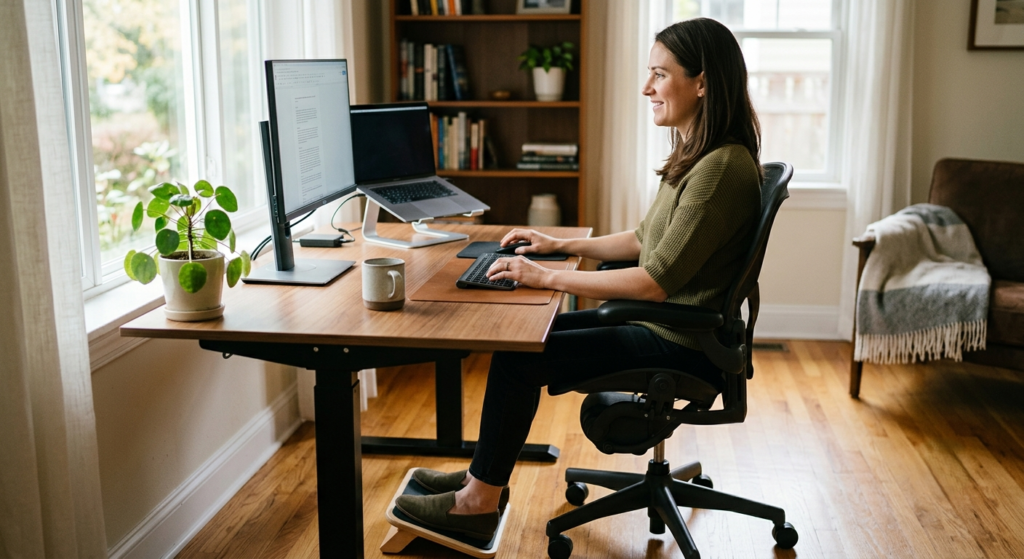
Table of Contents
Working from home has become a normal part of life for many people. It offers flexibility, saves travel time, and makes it easier to balance work and family. However, spending long hours sitting at a desk can lead to poor posture, back pain, neck stiffness, shoulder tension, and tired muscles. Many people work from dining tables, couches, or beds without realizing how these habits affect their bodies. Over time, bad posture can reduce comfort, lower productivity, and even cause long-term health problems. Learning improve posture working from home tips can help you stay comfortable while protecting your body every day. Small changes, such as adjusting your chair, raising your monitor, or taking short movement breaks, often make a big difference. From my own experience, improving posture is not about sitting perfectly all day. It is about creating healthy habits that are easy to follow and maintain. With the right setup and simple daily routines, you can enjoy working from home while keeping your body strong, comfortable, and pain-free.
Why Good Posture Matters When Working From Home
Good posture does much more than help you look confident. It keeps your spine in a healthy position and reduces extra pressure on your muscles and joints. When your body is properly aligned, your neck, shoulders, back, and hips work together more naturally. This means less pain, better balance, and improved movement throughout the day. Many people who search for improve posture working from home tips want relief from back pain, but good posture also supports better breathing, circulation, and energy levels. Sitting correctly allows your lungs to expand more easily, helping your body receive enough oxygen. Better posture may even improve focus because your body feels more comfortable during long work sessions. Taking care of your posture today can also reduce the risk of developing long-term muscle strain and joint problems in the future.
Common Posture Problems People Face at Home
Working from home often creates posture challenges that many people do not notice at first. One of the most common mistakes is leaning forward toward the computer screen. This places extra pressure on the neck and upper back. Another frequent problem is slouching in a chair without proper back support. Sitting with crossed legs for long periods may also affect body alignment and cause discomfort. Some people work from the sofa or bed, which encourages poor sitting positions because these surfaces do not provide enough support. Others place their laptop too low, forcing them to look down for hours. Learning improve posture working from home tips starts with recognizing these everyday habits. Once you identify what is causing discomfort, making small adjustments becomes much easier and far more effective than trying to completely change your work routine overnight.
Create an Ergonomic Workspace
An ergonomic workspace is designed to support your body while reducing physical stress. You do not need expensive furniture to create one. Even simple adjustments can improve comfort. Start by placing your desk in a well-lit area with enough space to sit comfortably. Position your chair so your elbows stay close to your body while typing. Keep frequently used items within easy reach to avoid twisting or stretching repeatedly. Organize cables and equipment so your workspace remains clean and easy to use. If your desk feels too high or too low, small accessories like monitor stands or keyboard trays may help. Many improve posture working from home tips focus on expensive office equipment, but smart positioning is often more important than costly furniture. A comfortable workspace encourages healthy posture naturally throughout the workday.
Choosing the Right Chair for Daily Comfort
Your chair has a major impact on your posture because it supports your body for many hours each day. A good office chair should support the natural curve of your lower back while allowing your feet to rest flat on the floor. Adjustable seat height is helpful because every person has different body measurements. Your knees should remain close to a ninety-degree angle, and your thighs should rest comfortably without pressure. If your chair lacks lumbar support, placing a small cushion or rolled towel behind your lower back can improve comfort. Armrests should allow your shoulders to stay relaxed instead of lifting upward. Following improve posture working from home tips often begins with improving your chair because it creates the foundation for healthy sitting habits. Even small changes can noticeably reduce daily discomfort.
Set the Correct Desk and Keyboard Height
The height of your desk and keyboard affects your shoulders, wrists, elbows, and neck. When your desk is too high, your shoulders may rise toward your ears, creating muscle tension. If it is too low, you may lean forward and round your back. Ideally, your elbows should stay close to your body and form about a ninety-degree angle while typing. Your wrists should remain straight instead of bending upward or downward. Using a separate keyboard with a laptop often makes it easier to achieve the correct position. Keep your mouse close enough that you do not have to stretch your arm repeatedly. These improve posture working from home tips reduce unnecessary muscle strain while helping you work more comfortably during long hours at your computer.
Position Your Monitor at Eye Level
Many people experience neck pain because they constantly look down at a laptop screen. This simple habit places extra weight on the neck muscles throughout the day. A better solution is to position your monitor so the top of the screen sits at or slightly below eye level. This allows your head to remain upright in a more natural position. The monitor should also be about an arm’s length away from your face, depending on the screen size and your vision needs. If you use a laptop, consider placing it on a stand while connecting an external keyboard and mouse. Among the most practical improve posture working from home tips, adjusting monitor height is one of the quickest changes you can make. It often provides immediate relief for the neck and upper back.
Keep Your Feet Flat on the Floor
Foot placement may seem like a small detail, but it plays an important role in maintaining good posture. Your feet provide a stable base that supports your entire body while sitting. Both feet should rest flat on the floor instead of hanging in the air or wrapping around chair legs. If your chair is too high, use a small footrest, sturdy box, or stack of books to support your feet comfortably. Avoid sitting with crossed legs for long periods because this can affect balance and place uneven pressure on your hips and lower back. Good foot support helps keep your knees, hips, and spine properly aligned. Many improve posture working from home tips emphasize the upper body, but healthy posture begins from the ground up with stable foot positioning.
Organize Your Workspace to Reduce Unnecessary Movement
A well-organized workspace makes it easier to maintain good posture throughout the day. Frequently used items such as your phone, notebook, water bottle, headphones, and office supplies should remain within comfortable reach. Constantly twisting, stretching, or bending to grab everyday items places extra stress on your shoulders and back. Keep cables tidy to prevent distractions and create enough space for comfortable arm movement while typing. Good lighting is also important because poor lighting often causes people to lean closer to their screens. Simple organization supports healthier work habits without requiring major changes. One of the easiest improve posture working from home tips is to arrange your workspace so your body stays relaxed instead of constantly reaching or twisting. Small improvements in your setup often lead to noticeable improvements in comfort and productivity.
Take Regular Breaks to Reset Your Posture
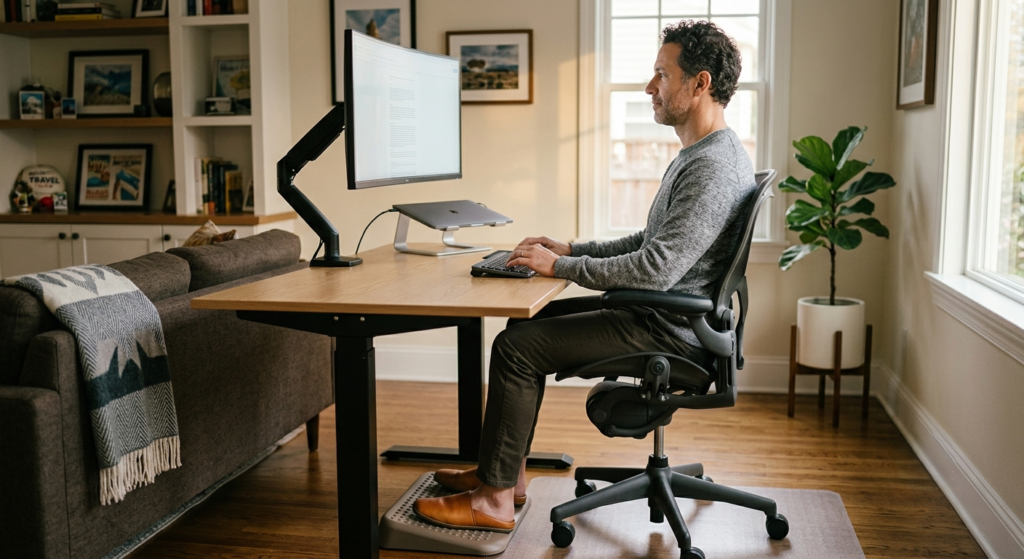
Even the best sitting position becomes uncomfortable if you stay there for too long. Your muscles need regular movement to stay healthy and flexible. Try standing up every 30 to 60 minutes, even if it is only for a few minutes. Walk around your room, refill your water bottle, or stretch your arms and legs. These short breaks improve blood circulation and reduce stiffness in your back and neck. Many people think they must exercise for an hour to feel better, but small movements throughout the day can be just as helpful. One of the most effective improve posture working from home tips is to make movement a normal part of your work routine instead of waiting until your body starts hurting.
Stretch Your Body Throughout the Day
Stretching helps relax tight muscles that develop from sitting for long hours. Focus on areas that become stiff while working, such as your neck, shoulders, chest, back, hips, and legs. Gently roll your shoulders backward, tilt your head from side to side, and stretch your arms above your head. Stand up and reach toward the ceiling before bending slowly toward your toes. These simple stretches take only a few minutes but can make a noticeable difference in how your body feels. Avoid quick or painful movements because stretching should always feel comfortable. Adding gentle stretches to your daily schedule is one of the easiest improve posture working from home tips for reducing muscle tension and increasing flexibility.
Strengthen Your Core Muscles
Strong core muscles help support your spine and make it easier to maintain good posture. Your core includes the muscles in your stomach, lower back, and hips. These muscles work together to keep your body balanced while sitting, standing, and walking. Simple exercises like planks, bridges, bird dogs, and gentle abdominal exercises can improve strength over time. You do not need expensive gym equipment because many effective exercises use only your body weight. Performing these exercises a few times each week can improve stability and reduce pressure on your lower back. Many experts recommend combining strength training with improve posture working from home tips because stronger muscles naturally make it easier to sit and stand correctly throughout the day.
Consider Using a Standing Desk
A standing desk gives you the option to work while standing instead of sitting all day. This change helps reduce the amount of continuous sitting, which may lower muscle stiffness and improve circulation. However, standing all day is not the perfect solution either. The best approach is to alternate between sitting and standing throughout your workday. Start with short standing sessions and increase them gradually as your body adjusts. Wear supportive shoes if you stand for longer periods and keep your monitor at eye level whether sitting or standing. Switching positions regularly is one of the most practical improve posture working from home tips because it prevents your muscles from remaining in one position for too long.
Protect Your Eyes and Reduce Screen Fatigue
Eye strain often affects posture because people lean closer to the screen when their eyes become tired. This forward movement places extra pressure on the neck and shoulders. To reduce eye strain, follow the 20-20-20 rule. Every twenty minutes, look at something about twenty feet away for at least twenty seconds. Adjust your screen brightness to match the room lighting and avoid glare from nearby windows. Increase text size if reading feels difficult instead of leaning toward the monitor. Regular eye care supports healthy posture because your head naturally stays in a better position. Many improve posture working from home tips include eye health because comfortable vision helps your entire body remain properly aligned.
Build Healthy Sitting Habits
Good posture is not about sitting perfectly every second of the day. It is about building healthy habits that become automatic over time. Sit back in your chair instead of leaning forward. Keep your shoulders relaxed instead of lifting them toward your ears. Avoid resting your chin in your hands because this places extra stress on your neck. Keep both feet supported and change your sitting position occasionally to avoid muscle fatigue. Pay attention to how your body feels during the day. If you notice discomfort, adjust your posture before pain becomes worse. Following improve posture working from home tips consistently is much more effective than trying to maintain a perfect posture for only a short time.
Stay Active Outside of Work
Your posture depends on what you do after work as well as during working hours. Regular physical activity keeps muscles strong, improves flexibility, and supports healthy joint movement. Walking, swimming, yoga, cycling, and light strength training all help your body stay balanced. Even a twenty-minute walk each day can reduce stiffness caused by long periods of sitting. Spending time outdoors also improves your mood and energy levels, making it easier to stay active. Good posture is not created only at your desk. It develops through healthy daily movement and regular exercise. Combining an active lifestyle with improve posture working from home tips creates lasting improvements that benefit both your work performance and overall health.
Create a Daily Posture Routine
Healthy posture becomes easier when it is part of your daily schedule. Begin each morning by adjusting your chair, monitor, and keyboard before starting work. Take a few minutes to stretch your neck, shoulders, and back. Set reminders on your phone or computer to stand up and move every hour. Drink enough water because staying hydrated encourages you to take natural walking breaks. At the end of your workday, spend a few minutes stretching again to release any muscle tension that has built up. A simple routine requires very little time but provides lasting benefits. Many people find that following improve posture working from home tips every day becomes easier once these small habits become part of their normal routine.
Listen to Your Body
Your body often gives early warning signs before serious pain develops. Mild stiffness, sore shoulders, tight hips, or headaches may all indicate that your posture needs attention. Do not ignore these signals. Instead, pause your work, adjust your sitting position, and move around for a few minutes. Everyone’s body is different, so what feels comfortable for one person may not work for another. Pay attention to what helps you feel relaxed and supported during the day. The best improve posture working from home tips are the ones you can comfortably follow every day. Small improvements made consistently often produce much better long-term results than making large changes that are difficult to maintain.
Long-Term Benefits of Better Posture While Working From Home
Improving your posture today can provide benefits for many years. When your spine stays properly aligned, your muscles and joints do not have to work as hard to support your body. This often leads to less back pain, fewer headaches, and reduced neck and shoulder tension. Better posture can also improve balance, flexibility, and overall movement. Many people notice they feel more energetic because their bodies are not constantly fighting muscle strain. Sitting correctly may also improve breathing by giving your lungs more room to expand. Better oxygen flow can help you stay focused during long work sessions. Following improve posture working from home tips consistently is not just about avoiding discomfort today. It is an investment in your future health, allowing you to work more comfortably and enjoy daily activities with greater ease as the years go by.
Common Mistakes That Can Hurt Your Posture
Many people unknowingly develop habits that make posture worse. One common mistake is sitting for several hours without standing or stretching. Another is placing a laptop directly on a desk, which forces the head to tilt downward. Using a chair without back support can also increase pressure on the lower spine. Some people hold their phones between their shoulder and ear while talking, creating unnecessary neck strain. Others continue working even after they notice discomfort instead of making simple adjustments. Carrying heavy bags on one shoulder or constantly leaning to one side can also affect body alignment. Learning improve posture working from home tips means recognizing these habits early and replacing them with healthier ones that support your body throughout the workday.
Make Better Posture a Lifelong Habit
Improving posture is not something you achieve in one day. It is a habit that develops through small, consistent actions. You do not have to sit perfectly every minute because your body naturally moves throughout the day. Instead, focus on making simple corrections whenever you notice yourself slouching or leaning forward. Keep your workspace comfortable, stretch regularly, and stay physically active outside of work. Over time, these healthy choices become automatic. From personal experience, I found that setting small reminders during the first few weeks helped me build better habits without feeling overwhelmed. Eventually, sitting correctly became much more natural. Following improve posture working from home tips every day creates lasting improvements that support both your physical health and your overall quality of life.
Healthy Habits That Support Better Posture
Good posture is connected to many other healthy lifestyle choices. Drinking enough water keeps your muscles working properly and encourages regular walking breaks. Eating nutritious meals provides the energy your body needs to stay active throughout the day. Getting enough sleep allows your muscles to recover after long hours of work. Managing stress is also important because stress often causes people to tighten their shoulders and neck without realizing it. Deep breathing, short walks, or simple relaxation exercises can help release this tension. Healthy habits work together to support your posture in ways that many people overlook. Combining these daily routines with improve posture working from home tips creates a complete approach to feeling stronger, healthier, and more comfortable while working from home.
FAQs
1. Why is good posture important when working from home?
Good posture helps keep your spine properly aligned and reduces stress on your muscles and joints. It can lower the risk of back pain, neck stiffness, shoulder tension, and headaches while improving comfort, focus, and overall productivity.
2. How often should I take breaks while working?
Most experts recommend standing up and moving every 30 to 60 minutes. Even a short two to five-minute break can improve circulation, reduce muscle stiffness, and help your body maintain better posture throughout the day.
3. Can I improve my posture without buying expensive furniture?
Yes. Many improve posture working from home tips require little or no money. Adjusting your chair height, raising your laptop with books, using a small cushion for back support, and taking regular movement breaks can all improve posture without purchasing expensive equipment.
4. Are standing desks better than sitting all day?
Standing desks can be helpful, but standing all day is not recommended either. The healthiest approach is to alternate between sitting and standing while maintaining proper posture in both positions.
5. Which exercises help improve posture?
Simple exercises such as planks, bridges, bird dogs, wall angels, yoga stretches, and gentle core-strengthening exercises can improve posture by supporting the muscles that stabilize your spine and shoulders.
6. How long does it take to improve posture?
Every person is different, but many people notice reduced discomfort within a few weeks of making consistent changes. Building strong posture habits and increasing muscle strength may take several months, depending on your routine and activity level.
Conclusion
Working from home offers many advantages, but it also creates new challenges for your physical health. Spending hours sitting in the wrong position can lead to back pain, stiff muscles, poor circulation, and reduced productivity. The good news is that improving your posture does not require dramatic changes or expensive office equipment. Small daily adjustments often produce the greatest results over time. Setting up an ergonomic workspace, choosing a supportive chair, positioning your monitor correctly, taking regular movement breaks, stretching, strengthening your core, and staying active all contribute to healthier posture. Following improve posture working from home tips consistently helps protect your spine, reduce discomfort, and improve your overall well-being. Remember that good posture is not about being perfect. It is about making better choices every day that support your body and allow you to work comfortably for years to come. Start with one simple change today, stay consistent, and your future self will thank you for building healthier habits now.