Kitchen Remodel Cost Estimator: A Complete Guide to Planning Your Renovation Budget


Remodeling a kitchen can improve your home, but it can also become expensive quickly. Many homeowners start with a simple idea and discover that costs add up across cabinets, counters, flooring, appliances, lighting, plumbing, and labor. A kitchen remodel cost estimator can help you create a realistic starting budget before construction begins. It allows you to think about the size of your kitchen, the quality of materials, the amount of work, and your location. A useful estimate should not only show a final number. It should explain where the money may go. This makes it easier to decide which upgrades matter most. You can also compare different renovation options before spending money. For example, keeping the current layout may reduce labor costs. Choosing stock cabinets may also leave more money for better countertops or appliances. This guide explains how kitchen remodeling costs are estimated, what affects the total price, and how to build a budget that fits your goals.
What Is a Kitchen Remodel Cost Estimator?
A kitchen remodel cost estimator is a planning tool that helps homeowners estimate the possible price of a renovation. It usually considers factors such as kitchen size, cabinets, countertops, flooring, appliances, lighting, plumbing, electrical work, and labor. Some estimators also ask whether you want a basic, mid-range, or high-end renovation. The result is usually an approximate range rather than a guaranteed project price. This is important because every kitchen has different conditions. An estimator may not know about hidden water damage, old wiring, unusual cabinet sizes, or local labor rates. Use a kitchen remodel cost estimator as a starting point rather than a final quote. It can help you understand your potential budget before contacting contractors. Once you know your target range, request detailed estimates from local professionals. Compare what each quote includes. A low price may not include demolition, disposal, permits, delivery, or installation. A complete estimate gives you a much clearer picture of your actual renovation expenses.
Why Kitchen Remodeling Costs Vary So Much
Kitchen remodeling prices can vary because no two projects are exactly alike. One homeowner may only replace cabinet doors and countertops. Another may remove walls and completely redesign the room. The amount of work has a major effect on the final cost. Materials also create large price differences. Stock cabinets usually cost less than custom cabinets. Laminate countertops may cost less than premium stone. Basic appliances can cost much less than professional-grade models. Labor prices also change between cities and regions. Older homes may require additional electrical or plumbing work. The kitchen layout matters as well. Moving a sink, dishwasher, range, or refrigerator can require additional services. A kitchen remodel cost estimator can organize these factors into a useful starting point. However, you should always treat the result as an estimate. The more complicated the project becomes, the more important professional measurements and quotes become. Good planning helps you understand which choices are driving the budget.
Kitchen Size and Its Effect on Remodeling Costs
Kitchen size is one factor that affects remodeling expenses, but it does not tell the entire story. A larger kitchen usually requires more cabinets, flooring, countertop material, and paint. It may also need more lighting and labor. However, a small kitchen can still become expensive if it uses premium materials. A compact room with custom cabinets and luxury appliances may cost more than a larger kitchen with basic finishes. This is why square footage alone cannot provide a perfect budget. When using a kitchen remodel cost estimator, enter accurate measurements whenever possible. Measure wall lengths, ceiling height, windows, doors, and existing cabinet areas. Also note where appliances are located. These details can help create a more useful estimate. If you plan to keep the existing layout, mention that during the planning process. Keeping plumbing and electrical locations unchanged can reduce some costs. Size gives you a useful starting point, but the project’s scope and material quality usually matter just as much.
Cabinet Costs in a Kitchen Remodel
Cabinets are often one of the largest expenses in a kitchen renovation. They provide storage and also dominate the room’s appearance. You can choose from stock, semi-custom, and custom cabinets. Stock cabinets are made in standard sizes and are generally more affordable. Semi-custom cabinets offer more options for sizes and finishes. Custom cabinets are designed specifically for your space and can provide a highly personalized result. Door style, material, hardware, finish, and internal accessories can also change the price. When using a kitchen remodel cost estimator, include both cabinet materials and installation. Some homeowners focus only on the cabinet price and forget labor. You should also consider whether your existing cabinets can be refaced instead. If the cabinet boxes are strong, refacing may provide a fresh appearance at a lower cost. However, refacing does not solve a poor layout or damaged cabinet structure. Compare replacement and refacing options before making your final decision.
Countertop Costs and Material Choices
Countertops are another important part of the remodeling budget. Popular options include laminate, tile, butcher block, solid surface, quartz, and natural stone. Each material has different costs, maintenance needs, and appearance. The amount of countertop required depends on your kitchen layout. Edge profiles, sink cutouts, thickness, installation, and backsplash work can also affect the price. A kitchen remodel cost estimator should include more than the basic countertop material. Ask whether measurement, fabrication, delivery, installation, and cutouts are included. Quartz may provide a modern appearance and easy maintenance, while butcher block can create a warmer feel. Laminate may provide a more affordable way to update the kitchen. The right choice depends on your budget and how you use the room. Think about cleaning, heat, moisture, and daily wear. You do not need the most expensive surface to create a beautiful kitchen. A practical material that suits your lifestyle may provide better value over time.
Appliance Costs and Your Renovation Budget
Appliances can take a large portion of a kitchen renovation budget. Common purchases include refrigerators, ranges, dishwashers, microwaves, and ventilation systems. Prices can vary greatly based on brand, size, energy efficiency, features, and finish. Before replacing every appliance, decide which items actually need an upgrade. If your refrigerator and dishwasher still work well, keeping them may free money for other improvements. When replacing appliances, measure the available spaces carefully. A new appliance may require cabinet changes if it has different dimensions. A kitchen remodel cost estimator should account for appliance installation as well as the purchase price. Some appliances require special electrical connections, plumbing, ventilation, or gas work. These services can increase the total budget. Consider buying appliances early when cabinet dimensions depend on them. However, avoid ordering before measurements are confirmed. A carefully planned appliance package can improve both function and appearance without forcing you to spend money on features you will rarely use.
Labor Costs and Professional Installation
Labor is an important part of almost every kitchen remodeling project. A renovation may involve several professionals. These can include general contractors, cabinet installers, electricians, plumbers, flooring installers, painters, and countertop fabricators. The more trades involved, the more complicated the schedule can become. Local labor rates also vary. A kitchen remodel cost estimator can help you think about labor, but a local contractor will provide more useful pricing for your specific project. Ask for detailed written estimates. Make sure each quote explains the work being completed. Check whether demolition, debris removal, installation, and cleanup are included. You should also ask about payment schedules and expected timelines. Do not automatically choose the cheapest contractor. A very low quote may leave out important tasks. Look for experience with kitchen projects and clear communication. References and examples of completed work can also help. Good labor is an investment because poor installation can create problems long after the renovation appears complete.
Plumbing and Electrical Expenses

Plumbing and electrical work can increase a renovation budget when the kitchen layout changes. Moving a sink may require new water and drain lines. Moving a dishwasher can also require plumbing changes. A new range may need different electrical or gas connections. Additional outlets may be needed for modern appliances and countertop use. Lighting upgrades can require new wiring. Older homes may have electrical systems that need improvements before new equipment can be installed. A kitchen remodel cost estimator should include these possibilities when you are planning a major renovation. Ask a qualified professional to inspect existing systems when necessary. Do not assume that new appliances can simply plug into existing connections. Some equipment has specific installation requirements. Permits may also be required depending on your location and project. Keeping the existing layout can reduce some plumbing and electrical expenses. If the current arrangement works well, consider spending your budget on storage, lighting, and durable finishes instead of moving major systems.
Flooring and Backsplash Costs
Flooring and backsplash materials can complete the appearance of a remodeled kitchen. Flooring choices may include tile, vinyl, laminate, hardwood, or other suitable products. Each option has different installation and maintenance requirements. The condition of the existing floor also matters. Uneven surfaces or damaged subfloors may require preparation before new flooring is installed. Backsplashes usually cover less area, but intricate patterns can increase labor costs. When using a kitchen remodel cost estimator, include removal of old flooring or backsplash materials if necessary. Also consider disposal fees and surface preparation. A simple tile design can keep installation costs more manageable. You do not need an elaborate pattern to make the kitchen look polished. Choose materials that can handle spills, cleaning, and everyday use. If the kitchen receives heavy traffic, durability should be a priority. Spending more on a material that lasts longer can sometimes provide better value than choosing the cheapest option available.
The Cost Difference Between Cosmetic and Full Remodels
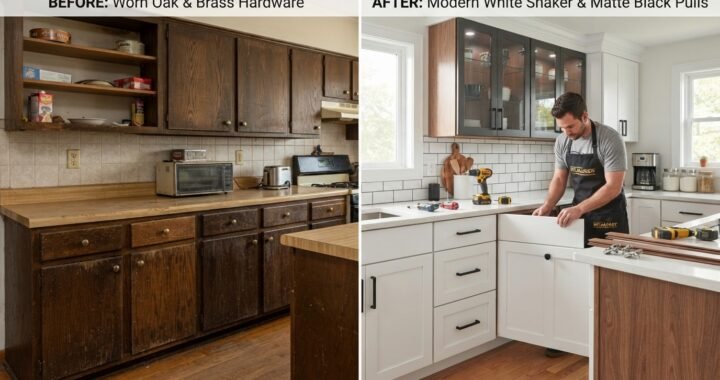
Not every kitchen needs a complete renovation. A cosmetic remodel focuses on appearance and smaller improvements. You might paint the walls, replace cabinet hardware, update lighting, install a backsplash, and refinish cabinets. These changes can create a noticeable difference without major construction. A full remodel may involve new cabinets, counters, flooring, appliances, plumbing, electrical work, and structural changes. Naturally, the cost can be much higher. A kitchen remodel cost estimator becomes more useful when you clearly define the type of project first. Write down everything you want to change. Then divide your list into essential repairs, functional improvements, and cosmetic upgrades. If your budget becomes tight, remove lower-priority items first. Keeping the current layout can often help control costs. You can still create a modern kitchen without moving walls or plumbing. Before beginning demolition, ask yourself whether each planned change solves a real problem. A focused renovation can provide strong results without unnecessary spending.
How Keeping Your Kitchen Layout Can Save Money
Changing the kitchen layout can create additional construction work. Moving cabinets may require changes to plumbing, electrical systems, flooring, and walls. Relocating appliances can also require new connections. Keeping the existing layout can simplify the project. When using a kitchen remodel cost estimator, compare the cost of a layout-preserving renovation with a complete redesign. You may discover that the existing arrangement already works well. If the sink, stove, and refrigerator are positioned conveniently, there may be little reason to move them. Instead, focus on improving storage and finishes. Pull-out shelves, drawer organizers, better lighting, and new cabinet doors can improve the kitchen without major construction. This approach can also reduce the time your kitchen is out of service. Of course, keeping the layout is not always the best choice. If the kitchen has serious workflow problems, a redesign may be worthwhile. The key is to understand what you gain from moving things before paying for the extra work.
How to Build a Kitchen Remodeling Budget
A good renovation budget should be detailed rather than based on one large number. Start by listing cabinets, countertops, appliances, flooring, lighting, backsplash, plumbing, electrical work, labor, permits, and other expenses. Add expected delivery and disposal costs. Then create separate amounts for essential and optional improvements. A kitchen remodel cost estimator can help organize these categories before you contact contractors. Once you have local quotes, replace rough estimates with real numbers. Keep a contingency fund for unexpected issues. Many homeowners reserve around 10% to 20% for surprises, depending on the home’s age and project complexity. Older kitchens may uncover hidden problems during demolition. Do not spend your entire budget on finishes before construction starts. Keep money available until the project is complete. Track every purchase and contractor payment. A simple spreadsheet can make this much easier. When you know where your money is going, you can make better decisions if one part of the project becomes more expensive than expected.
How to Use a Kitchen Remodel Cost Estimator Correctly
A cost estimator works best when you enter realistic information. Start with accurate room measurements. Select the correct cabinet type and material quality. Include the number of appliances being replaced. Note whether you are changing the layout. Add flooring, lighting, countertops, backsplash, and labor where possible. A kitchen remodel cost estimator may provide different results depending on your selections. Try several scenarios instead of relying on one number. For example, create a budget using stock cabinets and another using semi-custom cabinets. Compare the difference. You can also compare a cosmetic renovation with a full remodel. This helps you see which choices have the largest financial effect. Remember that online estimates may not reflect local prices. They also may not identify hidden problems inside your home. Use the tool for planning and comparison. Then confirm your budget through detailed quotes from qualified local professionals. This two-step approach gives you a stronger understanding of potential costs.
How Location Affects Remodeling Prices
Your location can have a major effect on renovation expenses. Labor rates differ between cities, suburbs, and rural areas. Material delivery costs can also vary. Local building requirements may affect permits and inspections. Demand for skilled trades can influence contractor pricing. This means a remodeling budget from another city may not accurately represent your project. A kitchen remodel cost estimator can provide a broad starting point, but local estimates are more useful. Search for contractors who regularly work in your area. Ask about typical labor charges and material availability. You can also request several quotes to identify the local price range. Be careful when comparing estimates from different companies. One contractor may include demolition and cleanup while another may not. Check the scope carefully. Local conditions can also affect project timelines. Some materials may have longer delivery periods in certain areas. Understanding your local market helps create a more realistic renovation plan.
Ways to Reduce Kitchen Remodeling Costs
There are many ways to lower remodeling costs without creating a poor-quality kitchen. Keeping the current layout is often one of the most effective choices. Refacing cabinets can also cost less than full replacement when the cabinet boxes are sound. You can choose standard cabinet sizes instead of custom options. Compare several countertop materials before deciding. Keep reliable appliances when replacement is unnecessary. Update hardware and lighting for affordable visual improvements. A kitchen remodel cost estimator can help you test these choices before spending money. Another useful strategy is to complete the project in phases. For example, you might replace cabinets and counters now and update flooring later. However, phased work should be planned carefully. Some tasks are easier to complete together. Avoid cutting costs on electrical, plumbing, structural, or safety-related work. Cheap installation can create expensive repairs later. The best savings usually come from removing unnecessary work rather than choosing poor-quality construction. Spend money where it improves safety, function, durability, and daily comfort.
Should You Remodel Your Kitchen Yourself?
DIY work can reduce labor expenses, but it requires realistic planning. Painting, simple hardware changes, and some basic tasks may be manageable for experienced homeowners. Major electrical, plumbing, gas, and structural work should be approached with appropriate professional knowledge and local requirements. When using a kitchen remodel cost estimator, remember that removing labor from the calculation does not make every project suitable for DIY. You still need tools, materials, time, and skills. Mistakes can also create additional costs. Cabinet installation requires accurate measurements and alignment. Tile work requires proper preparation. Countertops may need specialized fabrication and installation. If you decide to handle some work yourself, choose tasks that match your experience. Ask professionals when you are uncertain. A mixed approach can work well. You might handle painting and hardware while hiring professionals for plumbing and electrical work. This can reduce costs while protecting the quality of important technical work.
Hidden Costs You Should Include
Many homeowners focus on visible materials and forget smaller expenses. Demolition and debris removal can add to the budget. Delivery charges may apply to cabinets, appliances, flooring, and countertops. Temporary storage can also become necessary. Permits and inspections may create additional fees. Older homes can reveal damaged subfloors, leaking pipes, or outdated wiring. A kitchen remodel cost estimator should include a category for unexpected expenses. Ask contractors what conditions could increase the quote. Review the estimate carefully for exclusions. Some quotes may not include painting, trim, disposal, or appliance installation. If you know these costs before construction, you can plan accordingly. Keep a contingency reserve instead of spending every dollar on your preferred finishes. Hidden expenses do not always mean someone made a mistake. Renovation involves opening areas that have not been visible for years. Good planning accepts that surprises can happen. A prepared homeowner can respond without completely changing the project.
How Long Does a Kitchen Remodel Take?
The timeline depends on the size and complexity of the project. A simple cosmetic update may take a relatively short time. A full renovation can take several weeks or longer. Custom cabinets may require additional production time. Plumbing, electrical, inspections, and material delays can also extend the schedule. A kitchen remodel cost estimator usually focuses on money rather than time, but both factors should be considered together. A longer project can affect your household routine. If your kitchen is your main cooking area, plan how you will prepare meals during construction. Set up a temporary food station if needed. Ask your contractor for a project schedule. Confirm when demolition begins and when major installations are expected. Do not plan important events around the earliest possible completion date. Allow extra time for unexpected issues. A realistic schedule can reduce stress. Good communication between homeowners, contractors, suppliers, and installers is essential for keeping the project organized.
How to Compare Contractor Estimates
Getting several contractor estimates is useful, but comparing them requires more than looking at the final price. Read the scope of work carefully. Check whether cabinets, countertops, flooring, appliances, labor, demolition, disposal, and cleanup are included. A kitchen remodel cost estimator can help you create your own checklist before reviewing contractor quotes. Ask each contractor similar questions. Find out who will perform the work and whether subcontractors are involved. Ask about insurance, permits, payment schedules, warranties, and expected completion dates. Look for contractors with relevant kitchen renovation experience. References and completed project examples can provide useful information. A very cheap quote may leave out important tasks. A very expensive quote may include upgrades you do not need. The best estimate is usually the one that clearly explains the work and provides realistic expectations. Take time to read the agreement before signing. Clear written details can prevent disagreements later.
Kitchen Remodeling Return on Investment
A kitchen remodel can improve both daily comfort and the appeal of a home. However, you should not assume that every dollar spent will return the same amount when you sell. The value of a renovation depends on location, market conditions, project quality, and buyer expectations. A kitchen remodel cost estimator can help you understand how much you may spend, but it cannot guarantee a future return. Focus first on improvements that make the kitchen more useful. Good storage, durable surfaces, practical lighting, and a functional layout can provide everyday value. Avoid making the room overly personal if resale is an important goal. Extremely expensive finishes may not always provide equal financial benefits. A balanced renovation can improve the home’s appearance while keeping spending under control. Before making major decisions, consider how long you plan to stay. A renovation designed for your own enjoyment may have different priorities from one designed mainly for resale.
How to Choose Materials for Your Budget
Material selection is where many kitchen budgets change quickly. Start by identifying the items that matter most to you. If cabinets are your priority, you may choose more affordable flooring. If countertops are important, you might keep existing appliances. A kitchen remodel cost estimator allows you to compare these trade-offs before purchasing anything. Consider durability as well as price. The cheapest material is not always the least expensive over its entire life. A product that needs frequent replacement can cost more over time. Check maintenance requirements before choosing finishes. Think about moisture, heat, scratches, cleaning, and daily use. Request samples when possible. Materials can look different under your kitchen’s lighting. Avoid choosing everything separately without considering how the finishes work together. A simple color palette can create a polished appearance without expensive materials. Good design is often about balance. Spend more on features you use constantly and save on features that have less practical value.
Common Kitchen Remodeling Budget Mistakes
One common mistake is starting construction without a clear budget. Another is focusing on appearance while ignoring plumbing, electrical, and structural conditions. Some homeowners also forget to include labor. Others spend their entire budget before construction begins. A kitchen remodel cost estimator can help identify these categories early. Another mistake is changing the project after work has started. Last-minute design changes can create additional labor and material costs. Ordering appliances before confirming measurements can cause problems too. Some homeowners choose contractors based only on the lowest quote. This can create issues when important work was excluded. Poor planning can also lead to delays. Before beginning, create a written project scope. Confirm measurements, materials, installation details, and payment terms. Keep a contingency fund available. Make decisions before major construction whenever possible. The more organized your project is, the easier it becomes to control costs. Good preparation can save both money and frustration.
When Is the Best Time to Remodel a Kitchen?
There is no single perfect time for every homeowner. Your schedule, budget, contractor availability, and material supply all matter. Some homeowners prefer periods when they can manage without their kitchen. Others choose a time when they have fewer family commitments. A kitchen remodel cost estimator can help you plan financially, but timing should also consider the practical side. Contractors may have busy schedules during popular renovation periods. Material lead times can also change throughout the year. Ask your contractor about expected availability before setting a firm start date. Order long-lead materials early when appropriate. Avoid beginning demolition before important products have arrived if doing so could leave the kitchen unusable. Think about holidays, family events, travel, and work commitments. A well-timed project can be easier to manage. The best time is usually when your budget, schedule, materials, and contractor are all ready.
A Simple Kitchen Remodeling Budget Example
Imagine a homeowner wants to update an average-sized kitchen without changing the basic layout. The project includes new cabinet fronts, updated hardware, a new countertop, backsplash, flooring, lighting, and one replacement appliance. Instead of creating one large budget number, the homeowner divides spending into categories. Cabinets and hardware receive one amount. Countertops receive another. Flooring, lighting, backsplash, appliance, labor, and permits each receive their own category. A kitchen remodel cost estimator can help compare different material levels within each category. The homeowner then requests several local contractor estimates. If the countertop costs more than expected, they can choose a different surface rather than abandoning the project. If flooring costs less, that money can be moved toward better lighting. This flexible approach keeps the budget under control. It also shows why a renovation budget should be treated as a planning system rather than one fixed number. Good decisions become easier when every expense has a clear place.
FAQs About Kitchen Remodeling Costs
What is a kitchen remodel cost estimator?
A kitchen remodel cost estimator is a planning tool that provides an approximate renovation budget. It may consider room size, materials, appliances, labor, and project scope. It should be used as a starting point, not a guaranteed final price.
How accurate is a kitchen remodeling estimate?
Online estimates can provide useful general guidance, but local contractor quotes are usually more specific. Hidden conditions, local labor rates, material choices, and project complexity can change the final price.
What is usually the most expensive part of a kitchen remodel?
Cabinets, labor, appliances, and countertops are often major expenses. The largest category depends on the size and scope of the renovation.
Can I reduce kitchen remodeling costs?
Yes. Keeping the existing layout, comparing materials, refacing good cabinets, keeping reliable appliances, and avoiding unnecessary structural changes can help reduce expenses.
Should I get multiple contractor estimates?
Yes. Several detailed estimates can help you understand local pricing. Compare the scope of work, materials, labor, warranties, and exclusions instead of comparing only the final numbers.
How much extra money should I keep for unexpected costs?
Many homeowners choose to reserve roughly 10% to 20% of their planned budget. Older homes and complex renovations may require a larger cushion because hidden problems can appear.
Conclusion
A kitchen renovation can be a major investment, but careful planning can make the process easier. A kitchen remodel cost estimator gives you a useful starting point by helping organize materials, labor, appliances, and other expenses. However, it should never replace detailed local quotes. Start by deciding what you want to improve. Then separate essential repairs from optional upgrades. Measure the space carefully and decide whether the existing layout should stay. Compare cabinet, countertop, flooring, appliance, and lighting options before making purchases. Keep money aside for unexpected problems. Most importantly, do not choose materials or contractors based only on the lowest price. Quality installation and practical design can provide better long-term value. A successful kitchen remodel is not necessarily the most expensive one. It is the one that fits your budget, supports your daily routine, and creates a space you enjoy using. With a clear plan and realistic expectations, you can turn your kitchen renovation ideas into a project that feels manageable from start to finish.