
Reface Cabinets: A Complete Guide to Giving Your Kitchen a Fresh New Look

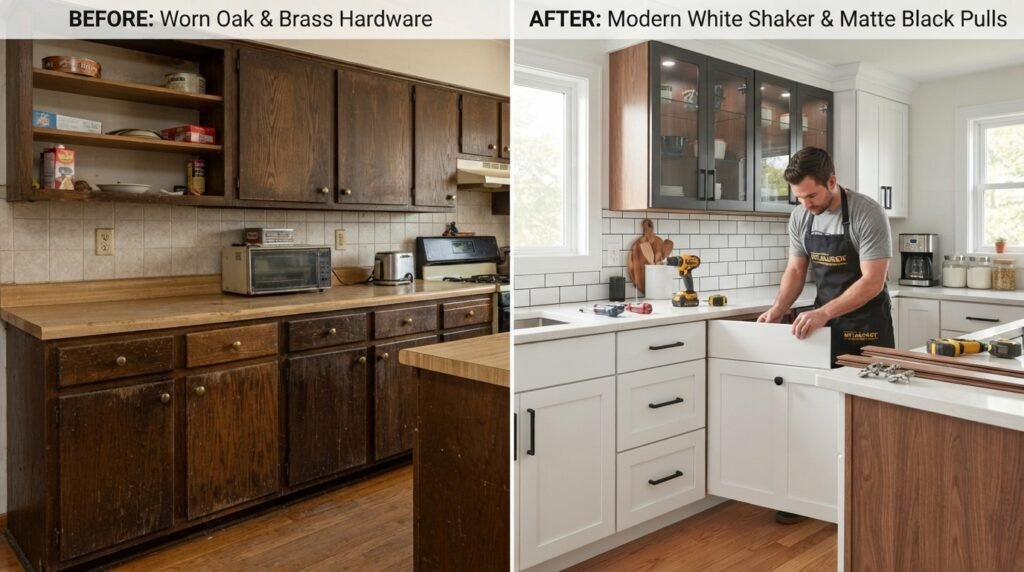
Kitchen cabinets can make a huge difference in how a kitchen looks and feels. However, replacing good cabinets can become expensive very quickly. If your cabinet boxes are still strong, you may not need a complete replacement. Instead, you can reface cabinets and give the kitchen a fresh appearance without removing the entire cabinet structure. Cabinet refacing usually involves updating the visible parts of existing cabinets. New doors, drawer fronts, veneers, and hardware can create a completely different style. This option can also reduce waste compared with replacing usable cabinets. Before starting, you should check the condition of your cabinet boxes. Refacing works best when the existing structure is sturdy and the kitchen layout still works well. In this guide, you will learn how cabinet refacing works, what it costs, which materials are available, and how to decide whether it is the right choice for your kitchen.
What Does It Mean to Reface Cabinets?
To reface cabinets means updating the visible surfaces while keeping the main cabinet boxes in place. The process often includes replacing doors and drawer fronts. The exposed cabinet surfaces may receive a new veneer or other finish. New handles and hinges can also complete the updated appearance. Unlike a full cabinet replacement, refacing does not normally require removing the entire cabinet structure. This can reduce construction time and disruption. It can also preserve a kitchen layout that already works well. When homeowners reface cabinets, they can often choose from many colors, finishes, and door styles. The result can look very different from the original kitchen. However, refacing does not repair weak or damaged cabinet boxes. The existing structure needs to be in suitable condition. Before spending money on new finishes, inspect the cabinets carefully. A professional can help determine whether the existing boxes are strong enough for refacing.
How Cabinet Refacing Works
The refacing process usually starts with an inspection of the existing cabinets. The cabinet boxes are checked for damage, loose joints, moisture problems, and other issues. Next, the old doors and drawer fronts are removed. The visible cabinet surfaces are prepared for the new finish. Depending on the chosen method, installers may apply veneer, laminate, rigid thermofoil, or another suitable material. New doors and drawer fronts are then installed. Hardware such as hinges, knobs, and pulls may also be replaced. When you reface cabinets, careful measurement becomes very important. Every door and drawer needs to fit correctly. Poor measurements can cause gaps or alignment problems. Professional installers often use precise measurements before ordering materials. The final stage usually includes adjusting doors and drawers. A good installation should create consistent spacing and smooth operation. The exact process can vary depending on cabinet construction and material choices.
When Should You Reface Cabinets?
Refacing can be a strong option when your cabinets are structurally sound. Look inside the cabinet boxes and inspect the shelves and frames. Check whether doors close properly and whether the cabinets feel stable. If the boxes are strong but the finish looks old, refacing may make sense. It is also useful when you like the current kitchen layout. Moving cabinets can create additional construction costs. Plumbing and electrical work may also become necessary when layouts change. When you reface cabinets, you can update the appearance without changing the basic arrangement. This makes the process useful for homeowners who want a visual transformation. Refacing can also work well when you want a faster project. However, it is not always the right solution. Severe water damage, warped boxes, broken structures, or poor layouts may justify replacement. Consider the cabinet condition and your long-term goals before choosing a method.
When Should You Replace Cabinets Instead?
Cabinet replacement may be better when the existing boxes are badly damaged. Water damage can weaken particleboard and other materials. Cabinets that are warped, unstable, or falling apart may not provide a good foundation for new doors. Replacement can also make sense when the kitchen layout does not work for your household. Perhaps you need more storage or better appliance placement. In that situation, changing the cabinet arrangement may provide more value than simply updating the finish. You may also want replacement if the existing cabinets have very limited storage options. When you reface cabinets, the basic structure remains. That means you cannot completely redesign the cabinet layout without additional work. Think about how long you expect to stay in the home. If the current layout works well, refacing may provide an excellent visual update. If the layout causes daily frustration, replacement may be worth the higher cost.
Benefits of Cabinet Refacing
One major benefit of refacing is that it can transform the appearance of a kitchen. New doors and finishes can make older cabinets look modern. Refacing can also reduce the amount of demolition compared with a full replacement. This may mean less disruption to your household. Another benefit is design flexibility. You can select new door styles, colors, handles, and finishes. When you reface cabinets, you can often keep the parts that still work well. This can make better use of existing materials. Refacing may also create less construction waste than removing every cabinet. Another advantage is that you can focus your budget on visible improvements. For example, you might choose better hardware or a new countertop at the same time. The overall result can feel like a larger kitchen renovation. However, the exact savings depend on materials, labor, kitchen size, and your chosen design. Always compare complete project estimates before making a decision.
Cabinet Refacing Cost Factors
The price of refacing depends on several factors. Kitchen size is one important factor because larger kitchens require more materials. The number of doors and drawer fronts also matters. Material choice can create a major difference in cost. Basic laminate finishes may cost less than premium wood veneers. Custom doors can also increase the total price. Labor is another important part of the budget. Difficult layouts or unusual cabinet sizes may require additional work. Hardware, trim, and accessories can add to the final amount. When you reface cabinets, ask for a detailed estimate before work begins. Make sure the quote explains materials, labor, removal, installation, and cleanup. Ask whether the price includes new hinges and hardware. Also ask about possible repairs to the existing boxes. A clear estimate helps prevent surprises. It is better to compare complete quotes than to choose a contractor based on a low starting price.
Choosing the Right Cabinet Door Style
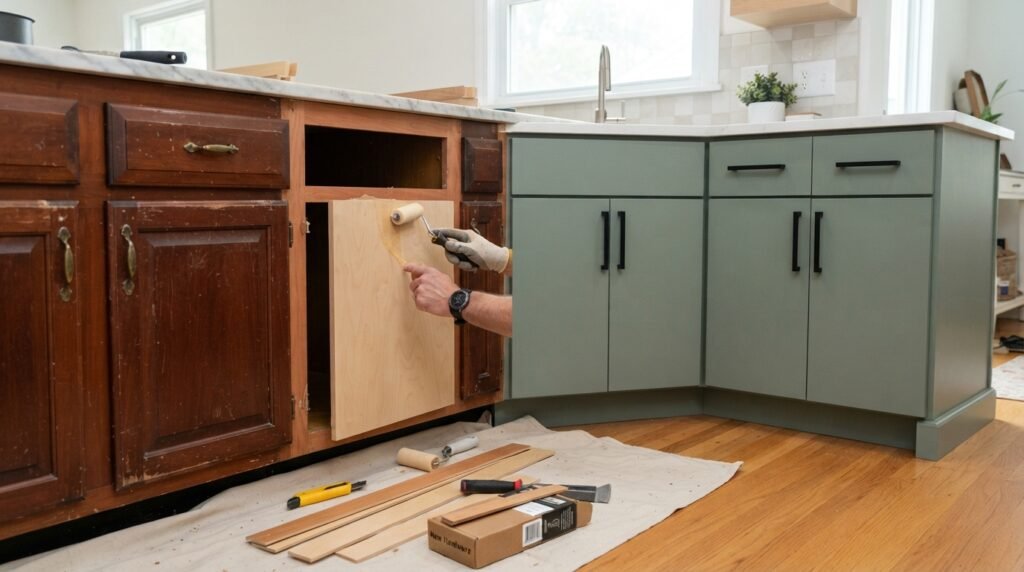
Cabinet doors have a strong effect on the overall kitchen design. Shaker doors offer a simple look that works with many styles. Flat-panel doors can create a clean and modern appearance. Raised-panel doors may suit more traditional kitchens. Glass inserts can add visual interest to selected cabinets. When you reface cabinets, think about how the new doors will work with your home’s style. Do not choose a design only because it is popular online. Consider what you will enjoy seeing every day. Think about the room’s size and lighting. Very detailed doors can sometimes make a small kitchen feel busy. Simple designs can create a calmer appearance. Door color also matters. Light colors can make a space feel brighter. Darker colors can add depth and contrast. Request samples before making a final choice. Colors can look different under your home’s actual lighting.
Choosing Cabinet Refacing Materials
Several materials can be used when updating cabinet surfaces. Wood veneer provides a natural appearance and can work well with many styles. Laminate offers a wide range of colors and patterns. Rigid thermofoil can provide a smooth finish on suitable cabinet applications. Painted finishes can also create a fresh appearance when properly prepared. Each material has different strengths, maintenance needs, and costs. When you reface cabinets, consider how heavily the kitchen is used. Busy households may need surfaces that are easy to clean. Ask about heat resistance near ovens and other appliances. Check how the material handles moisture around sinks. Follow manufacturer care instructions after installation. Do not assume that every finish works equally well in every location. A professional installer can explain which options suit your existing cabinet construction. The best material is one that matches your budget, style, and daily needs.
Should You Paint or Reface Cabinets?
Painting and refacing can both change the appearance of existing cabinets. Painting usually involves preparing and coating the existing doors and cabinet surfaces. Refacing generally involves adding new visible materials and often replacing doors and drawer fronts. Painting may be a lower-cost choice when the current doors are in good condition. It can also work well if you want a simple color change. Refacing provides more opportunities to change door style and surface material. When you reface cabinets, the kitchen can look significantly different without changing the cabinet boxes. Think about the condition of the current doors. If they are warped or badly damaged, painting may not provide a good result. If they are sturdy and attractive but simply outdated, paint may be enough. Ask a professional about preparation requirements. A poor paint job can peel or show brush marks. Good surface preparation is important for either approach.
Choosing New Cabinet Hardware
Hardware may seem like a small detail, but it can change the entire look of a kitchen. New knobs and pulls can create a more modern appearance. Brushed metal, polished finishes, matte surfaces, and other styles offer different visual effects. When you reface cabinets, choose hardware that matches the new doors. Consider both appearance and comfort. Handles should be easy to grip and use. Think about the size of drawers before choosing long pulls. Measure existing holes if you want to avoid unnecessary drilling. If new hardware uses different hole spacing, additional preparation may be needed. Cabinet hinges may also need replacement. Soft-close hinges and drawer systems can improve everyday use. These features may increase the budget but can add comfort. Hardware is also relatively easy to change later. That makes it a good place to add personality without committing to a permanent design.
Can You Reface Cabinets Yourself?
Some homeowners with strong DIY skills may be able to handle parts of cabinet refacing. However, the process requires careful measurements and good surface preparation. Doors and drawer fronts need precise alignment. Veneer installation also requires attention to detail. Small mistakes can become highly visible in a kitchen. If you reface cabinets yourself, start by understanding the existing cabinet construction. Practice on a less visible area before working on the main surfaces. Use suitable tools and follow product instructions. Protect nearby counters and floors during the work. Do not rush the installation. If you lack experience with cabinet work, professional installation may provide better results. It can also save time and reduce material waste. Electrical, plumbing, or structural changes should be handled by qualified professionals when required. DIY can lower labor costs, but only when the work can be completed correctly.
How Long Does Cabinet Refacing Take?
Refacing is often faster than replacing an entire kitchen, but the timeline varies. Kitchen size, material availability, door style, and installation complexity all matter. Custom doors may take longer to produce. Repairs to cabinet boxes can also add time. When you reface cabinets, much of the existing structure stays in place. This can reduce demolition and reconstruction. However, the cabinet surfaces still need careful preparation. Installers must measure, order materials, prepare surfaces, install new components, and make final adjustments. Ask your contractor for a realistic schedule before starting. Confirm when doors and materials are expected to arrive. Delays can occur when products are custom-made. Plan your kitchen use around the renovation period. Even a shorter project can make cooking difficult temporarily. A clear timeline helps your household prepare. Do not rush the final adjustments because proper alignment affects both appearance and function.
How to Prepare Your Kitchen for Refacing
Preparation can make the project smoother. Remove dishes, food, and other items from the cabinets before work begins. Store them in temporary containers or another area of the home. Clear countertops so installers have enough workspace. Protect nearby furniture and floors when necessary. When you reface cabinets, installers need access to doors, drawers, and cabinet surfaces. Tell the contractor about any fragile items or special concerns. Discuss whether appliances need to be moved. Ask how dust and debris will be controlled. You may also want to create a temporary kitchen station. A small table with a microwave, coffee maker, or basic supplies can help during the project. Keep important household items accessible. Good preparation reduces stress and helps installers work efficiently. It also gives you an opportunity to remove unused kitchen items before everything goes back into storage.
Refacing Cabinets While Keeping the Existing Layout
One of the strongest reasons to choose refacing is preserving a kitchen layout that already works. If your sink, stove, refrigerator, and storage areas are positioned well, major changes may not be necessary. When you reface cabinets, you can focus on surfaces rather than moving large structures. This can reduce disruption and avoid some plumbing or electrical changes. Keeping the layout can also make the renovation feel more predictable. You can update doors, finishes, hardware, lighting, and countertops around the existing arrangement. However, inspect your storage before making the decision. If cabinets are poorly arranged or lack useful space, a new appearance may not solve the problem. Think about your daily cooking habits. If you constantly struggle to reach certain items, consider adding internal storage features. A good refacing project should improve both appearance and everyday convenience where possible.
Add Storage Improvements During Refacing
Refacing provides an opportunity to improve some cabinet features. You may be able to add pull-out shelves, drawer organizers, tray dividers, or improved corner storage. These changes can make the kitchen easier to use. When you reface cabinets, discuss internal upgrades with your installer. Not every cabinet box can support every accessory. Measure available space before ordering storage systems. Consider which items you use most often. Frequently used cookware should be easy to reach. Deep cabinets can benefit from pull-out shelves. Narrow spaces may work well for tray storage or specialized organizers. Avoid adding accessories simply because they look useful in a catalog. Choose features that solve actual problems in your kitchen. Good storage can make an old layout feel much more functional. A few smart improvements may provide more daily value than expensive decorative features.
Refacing and Countertop Replacement
Some homeowners combine cabinet refacing with a new countertop. This can create a dramatic kitchen transformation. If your existing countertop is damaged or outdated, replacing it may make sense during the project. When you reface cabinets, coordinate the new cabinet color with the countertop material. Consider samples together rather than choosing each separately. Light cabinets can work with many countertop styles. Dark cabinets may benefit from a lighter surface for contrast. Think about maintenance requirements as well. Busy kitchens may benefit from surfaces that are easy to clean. Countertop installation can affect sinks and plumbing, so plan the work carefully. Ask whether removal and disposal of the old counter are included. Confirm how the sink will be handled. Combining projects can make sense because the kitchen is already being prepared. However, avoid adding unnecessary upgrades simply because construction has started.
Refacing Cabinets in a Small Kitchen
Small kitchens can benefit greatly from cabinet refacing. New colors and cleaner door styles can make a compact room feel fresher. Light finishes may help reflect available light. Simple door designs can reduce visual clutter. When you reface cabinets in a small kitchen, pay close attention to hardware size and color. Oversized handles may dominate small doors. Too many contrasting finishes can also make the space feel busy. Consider adding storage accessories inside existing cabinets. Good organization can make a small kitchen feel more spacious. If your layout already works, preserving it can help control costs. Use lighting to highlight work areas and make the room feel brighter. A small kitchen does not need a complete rebuild to look new. Careful choices can create a noticeable change while keeping the project manageable.
Common Cabinet Refacing Mistakes
One common mistake is refacing cabinets without checking their condition first. New doors cannot fix weak or damaged cabinet boxes. Another mistake is choosing materials without considering moisture and heat. Kitchen surfaces need to handle daily use. Poor measurements can cause doors and drawer fronts to fit badly. Some homeowners also forget to budget for hardware, trim, or installation. When you reface cabinets, make sure your quote includes all major components. Another mistake is selecting a style that looks good online but does not suit the actual kitchen. Always view samples in your home’s lighting. Avoid making too many changes during installation. Last-minute changes can increase costs and delays. Finally, do not choose a contractor based only on price. Check experience, references, and written project details. Careful planning can prevent most of these common problems.
How to Maintain Refinished Cabinets
Proper care can help your updated cabinets look good for years. Follow the cleaning instructions provided by the material manufacturer. Use suitable products and avoid harsh chemicals unless specifically recommended. Wipe spills quickly, especially around sinks and cooking areas. Avoid excessive moisture on cabinet surfaces. When you reface cabinets, ask the installer how the new materials should be cleaned. Different finishes can require different care. Check hinges and handles occasionally. Tighten loose hardware when necessary. Avoid hanging heavy items from doors unless the hardware is designed for that use. Keep cabinet interiors organized so items do not damage shelves or doors. Watch for signs of swelling, peeling, or moisture damage. Early repairs can prevent larger problems. Good maintenance does not need to be complicated. Simple cleaning and careful use can protect your investment.
How Refacing Can Reduce Kitchen Waste
Replacing an entire kitchen can remove many cabinet boxes that may still be usable. Refacing keeps the main cabinet structure in place. This can reduce the amount of material sent to disposal. When you reface cabinets, only the components that need changing may be replaced. Old doors and drawer fronts can be handled through suitable reuse or disposal programs when available. Ask local waste services about recycling options. Not every cabinet material can be recycled through standard household programs. Refacing can be appealing to homeowners who want to update their kitchens while using existing resources. However, environmental benefits should not be the only reason to choose the process. The cabinets must still be structurally sound. If they are severely damaged, replacement may be more practical. A long-lasting renovation is often more useful than choosing materials based only on short-term trends.
How to Choose a Cabinet Refacing Company
Choosing the right installer can strongly affect the final result. Look for companies with experience in cabinet refacing rather than only general remodeling. Ask to see examples of completed projects. Request references when available. Ask about the materials they use and how surfaces are prepared. When you reface cabinets professionally, preparation and installation quality matter greatly. Get a detailed written estimate. It should explain materials, labor, door styles, hardware, trim, and cleanup. Ask about warranties for both materials and installation. Confirm how long the work is expected to take. Discuss payment schedules before signing. Be cautious about contractors who avoid written details or pressure you to make immediate decisions. A reliable professional should explain the process clearly. Take time to compare several options. The cheapest quote is not automatically the best value.
Is Cabinet Refacing Worth It?
Cabinet refacing can be worthwhile when the existing cabinets are strong and the layout works well. It can provide a major visual update without the cost and disruption of complete replacement. When you reface cabinets, you can choose new colors, door styles, hardware, and finishes. This allows a kitchen to look significantly different while keeping its basic structure. However, value depends on your specific situation. If cabinets are damaged or poorly designed, refacing may only delay a larger renovation. Consider how long you plan to stay in the home. Think about storage, layout, condition, and your overall renovation goals. Compare the cost of refacing with replacement quotes. Do not judge the decision by appearance alone. A kitchen should be practical as well as attractive. When the structure is good, refacing can be a smart middle ground between doing nothing and rebuilding everything.
Frequently Asked Questions
What does it mean to reface cabinets?
It means updating the visible cabinet surfaces while keeping the main cabinet boxes in place.
Is cabinet refacing cheaper than replacement?
It can be less expensive, especially when the existing cabinet boxes are strong and the layout works well.
How long does cabinet refacing last?
A quality refacing job can last for many years when suitable materials are installed and properly maintained.
Can I change the cabinet color when refacing?
Yes. You can usually choose a new color, finish, door style, and hardware during the process.
Can damaged cabinets be refaced?
Minor issues may be repairable, but severely damaged or unstable cabinet boxes may need replacement.
Can I reface cabinets myself?
Experienced DIY homeowners may handle some projects, but precise measurement and installation are important.
Conclusion
Cabinet refacing can give an older kitchen a fresh appearance without removing every cabinet. It is especially useful when your existing cabinet boxes are strong and your kitchen layout already works well. You can update doors, drawer fronts, surfaces, hardware, and even some storage features. The process can reduce demolition and may cost less than a complete cabinet replacement. However, it is important to inspect your cabinets before making a decision. Water damage, weak structures, and poor layouts may make replacement a better choice. If you reface cabinets, choose materials based on your kitchen’s daily needs. Compare detailed estimates and select an experienced installer when professional help is needed. Think beyond appearance and improve function where possible. With careful planning, cabinet refacing can create a kitchen that feels newer, cleaner, and more personal while preserving the parts of your existing kitchen that still work well.