
Finishing Basement Tips: A Practical Guide to Creating a Comfortable Lower-Level Space

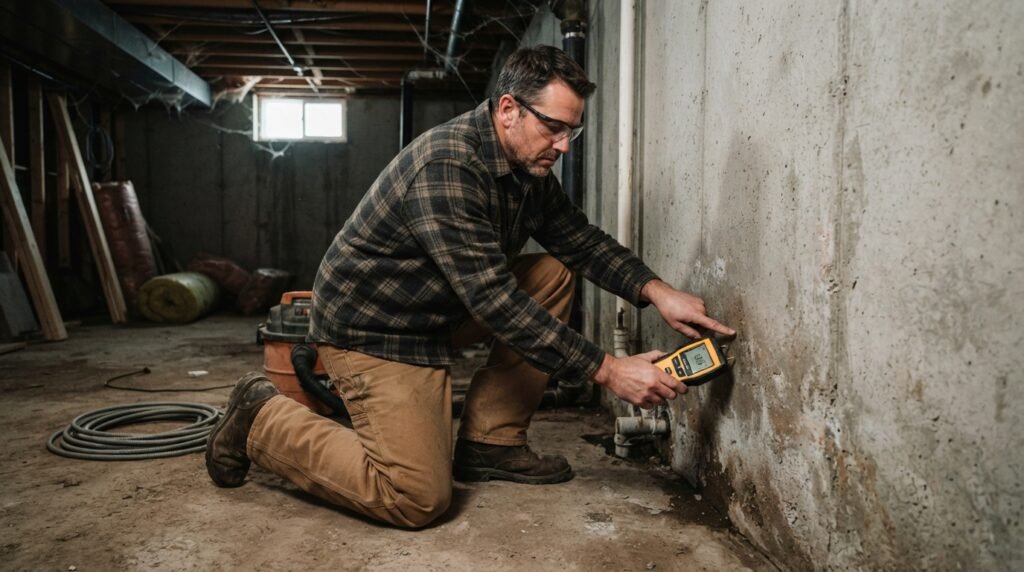
Finishing a basement can turn an unused area into a valuable part of your home. It can become a family room, guest space, home office, playroom, gym, or entertainment area. However, basement remodeling needs more planning than a normal room update. Moisture, insulation, lighting, ventilation, electrical work, and ceiling height all deserve attention. Good finishing basement tips can help you avoid expensive mistakes and create a space that feels like a real part of the house. The best approach starts with the condition of the basement, not with paint colors or furniture. Check for water problems first. Then plan insulation, walls, floors, lighting, and room layouts. Think about how your family will use the space every day. A finished basement should feel dry, warm, bright, and comfortable. It should also be safe and easy to maintain. With careful planning, even a dark and unfinished basement can become one of the most useful areas in your home.
1. Check for Moisture Before Starting
The first step in any basement project is checking for moisture. Water problems should never be covered with new walls or flooring. Look for stains, damp smells, peeling paint, mold-like growth, and cracks. Check walls and floors carefully after heavy rain. Pay attention to areas around windows, pipes, and floor drains. Good finishing basement tips always begin with moisture control because water can damage nearly every part of a finished room. If you notice ongoing leaks, find the source before construction begins. Gutters and downspouts may need attention outside the home. Grading around the foundation may also affect water movement. Serious foundation problems may require professional inspection. Do not simply paint over a damp wall. That can hide the problem temporarily while damage continues behind the surface. A dry basement provides a much better foundation for every later improvement.
2. Test the Basement for Humidity
A basement can appear dry while still having high humidity. Excess moisture in the air can create problems after walls and flooring are installed. Use a simple humidity monitor to understand the room’s conditions. Keep an eye on humidity levels during different seasons. A dehumidifier may help control moisture when needed. This finishing basement tips approach focuses on prevention instead of repair. Good ventilation can also help improve air quality. However, ventilation should be planned carefully because outdoor air can sometimes add moisture. If the basement has a persistent damp smell, investigate the cause. Do not rely only on air fresheners. Check for plumbing leaks, condensation, poor drainage, or foundation moisture. Maintaining suitable indoor humidity can help protect furniture, flooring, drywall, and stored belongings. Moisture control should continue after the renovation is complete. Regular checks can catch problems before they become expensive repairs.
3. Plan the Basement Layout First
Before building walls, decide how you want to use the basement. Think about your family’s needs and daily routines. You may want one large family room or several smaller areas. A basement could include a home office, guest bedroom, bathroom, storage room, or play area. Draw a simple floor plan before construction begins. Mark windows, doors, support posts, stairs, drains, pipes, and mechanical equipment. These fixed features can affect your layout. Good finishing basement tips include planning around these existing elements instead of fighting them. Leave enough room for comfortable movement. Avoid creating narrow hallways unless they are necessary. Keep access to important equipment clear. Future repairs may require access to plumbing, electrical systems, or heating equipment. A thoughtful layout can make a basement feel much larger. It can also prevent expensive changes after construction begins. Take your time with planning because walls are much easier to move on paper.
4. Check Local Building Requirements
Basement renovations may involve building rules and permits. Requirements vary by location and project type. Electrical changes, plumbing, structural work, bedrooms, and new bathrooms may require approval. Egress requirements can also apply when creating sleeping areas. Ceiling height rules may affect the design. Before construction begins, check your local building department requirements. These finishing basement tips can save you from major problems later. Do not assume that an unfinished basement can be changed without permits. Rules exist for safety and proper construction. Your contractor may be able to explain which approvals are needed. However, homeowners should still understand the basic requirements. Keep copies of permits and inspection records with your renovation documents. If you plan to sell your home later, proper documentation may become useful. Never hide renovation work from inspectors or future buyers. Following local requirements can protect your investment and your family’s safety.
5. Improve Basement Insulation
Basements often feel colder than upper floors. Good insulation can make the finished space much more comfortable. It can also help reduce unwanted heat transfer. Before choosing insulation, consider the basement wall type and local building requirements. Moisture conditions should also be considered. Some insulation systems are better suited to below-grade spaces than others. This finishing basement tips strategy focuses on choosing materials based on the actual environment. Do not install insulation over active moisture problems. Make sure the wall system is designed to handle basement conditions. Insulate areas according to local requirements rather than guessing. Floors and ceilings may need different approaches. A basement below a living room may also need sound control. Good insulation can improve both temperature and comfort. Ask a qualified professional when the wall system or moisture conditions are complicated. Proper installation matters as much as the material itself.
6. Choose Basement-Friendly Flooring
Basement floors need careful material selection. Moisture and temperature changes can affect certain flooring products. Before installing anything, make sure the floor is suitable and dry. Vinyl flooring is often considered for basement spaces because some products handle moisture well. Tile can also work in suitable conditions. Carpet may provide warmth and comfort, but moisture management becomes especially important. This finishing basement tips method encourages you to think about both comfort and maintenance. Avoid choosing flooring only because it looks attractive in a showroom. Ask how the material performs in below-grade environments. Check installation requirements carefully. The condition and level of the concrete floor also matter. Uneven areas may need preparation before new flooring is installed. A professional can help determine the best approach when moisture or floor conditions are uncertain. Good flooring should be comfortable, durable, and appropriate for the basement environment.
7. Decide Whether to Use Drywall
Drywall is a common wall finish, but basement conditions require careful planning. Standard drywall may not be ideal for every basement situation. Moisture-resistant products may be appropriate in certain areas. The right choice depends on local requirements and the room’s conditions. This finishing basement tips advice emphasizes choosing wall materials based on performance. Keep drywall away from known moisture sources. Make sure plumbing and electrical systems are completed and inspected before walls are closed. Think about future access too. Important shutoff valves and service areas should remain accessible. Do not cover mechanical equipment without following safety requirements. Proper wall framing also matters because basement walls need suitable construction details. A finished wall should look smooth and clean, but hidden performance matters more. Taking time with the wall system can prevent future damage. When in doubt, consult a qualified contractor who understands basement construction.
8. Make the Ceiling Work for You
Basement ceilings can be challenging because pipes, ducts, wires, and structural beams may run overhead. You need to balance appearance with future access. A dropped ceiling can hide mechanical systems while keeping them accessible. Drywall can create a cleaner appearance but may make repairs harder. This finishing basement tips approach suggests thinking about maintenance before choosing a ceiling style. Do not permanently cover areas that require regular service access. Check ceiling height before selecting finishes. A bulky ceiling system can make a low basement feel even smaller. Light colors can help create a more open feeling. Recessed or surface-mounted lighting can also improve the space. Make sure electrical work follows applicable rules. If pipes run below the main ceiling level, consider whether they can become part of the design. A practical ceiling can still look attractive when planned carefully.
9. Create a Good Lighting Plan
Basements often have limited natural light. Good artificial lighting can completely change the atmosphere. Start with general lighting for the entire room. Add task lighting where people will work, read, cook, or perform hobbies. Accent lighting can highlight shelves, artwork, or architectural features. This finishing basement tips method uses several light sources instead of relying on one fixture. Choose lighting based on room function. A home office may need stronger task lighting. A family room may benefit from softer layered lighting. Keep switches easy to reach when entering the room. Plan wiring before walls and ceilings are finished. Use appropriate fixtures for areas where moisture may be present. A qualified electrician should handle wiring that requires professional knowledge. Good lighting can make a basement feel larger and more welcoming. It can also improve safety around stairs, hallways, and doorways.
10. Improve Natural Light Where Possible
Even small windows can provide valuable daylight. Keep basement windows clean and free from unnecessary obstructions. Use light window treatments that do not block available sunlight. Mirrors can help reflect light around the room. Light-colored walls can also make daylight feel stronger. This finishing basement tips idea focuses on using what the basement already has. If you are considering adding or enlarging windows, check structural and building requirements first. Basement windows can also be important for emergency escape. Do not reduce their usefulness by placing large furniture directly in front of them. Keep window areas accessible and clean. If outdoor light is limited, combine natural light with thoughtful artificial lighting. A basement does not need huge windows to feel pleasant. Small improvements can make a meaningful difference. The goal is to create a space that feels open rather than dark.
11. Plan Electrical Outlets Carefully
Electrical planning should happen before walls are closed. Think about where furniture, desks, televisions, lamps, and appliances will be placed. Add outlets where they will actually be useful. Avoid relying heavily on extension cords. This finishing basement tips method encourages you to plan for current and future needs. A home office may need several outlets near a desk. An entertainment area may need connections for multiple devices. A hobby room may require power for tools or equipment. Follow local electrical rules and use qualified professionals when required. Do not overload outlets or power strips. Keep electrical equipment away from water. If the basement includes a bathroom or other special areas, additional electrical requirements may apply. Plan switch locations before construction. A little planning can prevent the frustration of discovering an outlet is behind a large piece of furniture. Good electrical design should be convenient, safe, and flexible.
12. Keep Mechanical Equipment Accessible
Many basements contain furnaces, water heaters, electrical panels, sump pumps, or other important equipment. Do not build a beautiful finished room around these systems without considering access. Future maintenance will still be necessary. This finishing basement tips rule can prevent expensive demolition later. Keep required service areas open according to manufacturer and local requirements. If equipment needs a separate room, make sure the room has suitable ventilation and access. Do not store flammable materials near heating equipment. Keep sump pumps accessible because they may be critical during heavy rain. Label important shutoff valves if needed. Your finished basement should not make basic home maintenance harder. A contractor can help design access panels or utility areas where appropriate. Think about the basement as both a living space and a service area. Good design respects both purposes.
13. Consider a Basement Bathroom
A basement bathroom can make the space more useful. It can also increase the complexity of the renovation. Plumbing may be easy or difficult depending on the existing layout. Drain locations and sewer connections can affect the project. Some basements require special pumping systems for wastewater. This finishing basement tips approach recommends checking plumbing conditions before committing to a bathroom design. A professional plumber can explain what is practical. Think about the bathroom’s purpose before choosing fixtures. A simple powder room may require less space than a full bathroom. Make sure ventilation is properly planned. Moisture control becomes even more important when adding a shower. Waterproofing and suitable materials should be used in wet areas. Building requirements may also apply. A basement bathroom can be a valuable addition, but it should be planned early. Adding one after walls and flooring are complete can be much more expensive.
14. Think Carefully About Basement Bedrooms
A basement bedroom can provide useful extra living space. However, bedrooms often have specific safety requirements. Emergency escape and rescue openings may be required. Ceiling height, ventilation, heating, and electrical rules may also apply. This finishing basement tips advice should be treated as a planning priority. Never assume a basement room qualifies as a legal bedroom simply because it contains a bed. Check local requirements before construction. Windows should remain accessible and unobstructed when required for emergency use. Make sure the room has appropriate heating and ventilation. Consider sound control if the bedroom is near entertainment areas. A comfortable bedroom should also have suitable lighting and storage. Privacy matters too. Plan the room around safety first and decoration second. If you are unsure whether the space can legally function as a bedroom, consult the local building authority or a qualified professional.
15. Add Soundproofing Where Needed
Basements are often used for entertainment, gaming, music, or home theaters. Sound can travel between floors if walls and ceilings are not designed for noise control. Good finishing basement tips include thinking about sound before closing the walls. Insulation can help reduce sound movement in certain assemblies. Special drywall or resilient materials may also be used in some situations. The best approach depends on the level of sound control you need. A family room may only require basic improvement. A music room may need a more advanced system. Think about both airborne sound and vibration. Place noisy equipment carefully. Soft furniture, rugs, and curtains can also help reduce echo. Soundproofing is easier during construction than after walls are finished. If noise is an important concern, plan it early. Small improvements can make shared living spaces more comfortable for everyone.
16. Use Smart Storage Solutions
Basements can become cluttered because they often serve several purposes. Built-in shelves can use wall space effectively. Storage under stairs can also provide valuable room. Cabinets can hide seasonal items and household supplies. This finishing basement tips strategy focuses on storage that supports the room’s main purpose. Do not fill every available corner with storage. Leave enough open space for comfortable movement. Use labeled containers for items that are stored for long periods. Keep moisture-sensitive belongings away from areas with potential water exposure. Avoid storing valuable items directly on basement floors. Raised shelving can provide extra protection. Consider whether you need closed or open storage. Closed cabinets can make a room look cleaner. Open shelves make frequently used items easier to reach. A good storage plan can help your finished basement stay organized for years.
17. Choose Basement Paint Carefully
Paint can make a major difference in a basement. Light and warm shades may help the room feel brighter. However, color should not be your only concern. The paint product should be suitable for the surface and environment. This finishing basement tips method focuses on preparation before painting. Repair suitable surfaces and address moisture problems first. Do not use paint to hide active dampness. Clean surfaces according to appropriate instructions. Test a small area before covering the entire room. Remember that artificial lighting can change how colors appear. A color that looks bright in a store may look different underground. Use lighting samples when possible. Paint can create visual separation between different areas. For example, a slightly different shade can define an office corner. Thoughtful color choices can make the basement feel like a designed living area.
18. Make the Basement Feel Warm and Comfortable
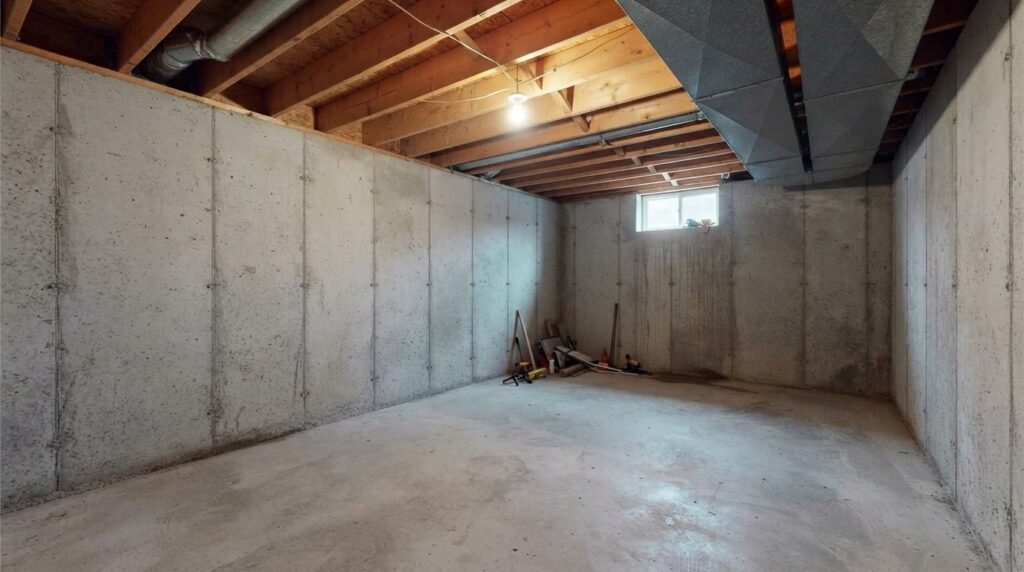
Comfort should be a major goal when finishing a basement. Lower levels can feel colder and less inviting than upper floors. Insulation, heating, flooring, lighting, and furniture all affect comfort. This finishing basement tips approach looks at the whole environment instead of one product. Use furniture that suits the room’s purpose. Add rugs when appropriate for warmth and softness. Curtains can make areas feel more comfortable when windows allow them. Choose seating that supports how your family spends time there. If the basement feels cold even after renovation, check the heating system. Do not block vents with furniture. Good airflow matters for comfort. A comfortable basement should not feel like a storage room with furniture added later. Think about temperature, light, sound, and layout together. These details can make the difference between a basement people avoid and one they enjoy using.
19. Plan for a Home Office
Basements can work well as home offices when lighting and comfort are planned properly. Choose a location near available natural light when possible. Place the desk where lighting does not create distracting screen glare. This finishing basement tips idea also encourages planning for outlets and internet connections. Keep cables organized and away from walking areas. Use storage that keeps important papers and equipment organized. Sound control may matter if other family members use the basement. A comfortable chair and suitable desk height can improve long work sessions. Do not forget ventilation and temperature control. A basement office should feel like a real workspace rather than a temporary corner. Use simple decor to make the area pleasant. If video calls are common, consider the background and lighting. A well-planned office can turn unused basement space into a productive part of the home.
20. Create a Family Entertainment Area
A basement can be an excellent place for family entertainment. You might include a television, game table, reading corner, or comfortable seating. Plan the room around how people will actually use it. This finishing basement tips method helps prevent buying furniture that takes up too much space. Keep walking paths clear. Place screens where they can be viewed comfortably. Use storage for games, controllers, books, and other items. Consider sound control if television or music will be loud. Add layered lighting so the room works during both daytime and evening. Keep electrical cords organized and protected. Choose durable furniture if children will use the space often. A family room does not need expensive equipment. Comfortable seating and good organization can be more important. The goal is to create a place where people naturally want to spend time.
21. Improve Basement Stair Safety
Basement stairs deserve special attention during renovation. Make sure steps are clear and well lit. Handrails should be secure and suitable for the staircase. Avoid placing furniture or storage where it narrows the path. This finishing basement tips recommendation focuses on safe movement between floors. Use suitable lighting at the top and bottom of the stairs. Consider switches that are easy to reach from both locations. Keep rugs and loose objects away from steps. If the stairs are damaged or unusually steep, consult a professional. Do not treat stair improvements as decoration only. They are an important part of safe home access. A finished basement can be beautiful, but the route into it must remain practical. Small safety improvements can make the entire space easier to use.
22. Avoid Overbuilding a Small Basement
It can be tempting to add every feature you see online. However, too many rooms can make a basement feel cramped. This finishing basement tips principle encourages simplicity. Decide which functions matter most to your household. A large open family room may be more useful than several tiny spaces. If you need an office, create a defined corner instead of building a separate room. Use furniture and lighting to create zones. Keep storage organized so it does not take over the room. Think about future flexibility before adding permanent walls. An open layout can adapt more easily as your needs change. Avoid expensive features that will rarely be used. A basement does not need a theater, bar, gym, office, bedroom, and playroom all at once. Choose features that provide real value for your household.
23. Choose Durable Basement Materials
Basements need materials that can handle their environment. Flooring, wall finishes, trim, and furniture should be selected with moisture and temperature in mind. This finishing basement tips approach values durability over appearance alone. Ask manufacturers about suitable applications before purchasing products. Avoid using materials simply because they are popular upstairs. Below-grade conditions can be different. Choose products that are practical to clean and maintain. Durable materials may cost more at first but can reduce future replacement work. However, expensive does not automatically mean better. Compare performance, installation requirements, warranty information, and maintenance. Keep receipts and product information after installation. This can help if repairs are needed later. A well-planned basement should remain useful for years. Materials should support that goal rather than creating constant maintenance problems.
24. Plan the Budget Before Construction
A basement renovation budget should include more than visible finishes. Include framing, insulation, drywall, flooring, lighting, electrical work, plumbing, permits, doors, trim, and labor. Add a contingency reserve for unexpected issues. This finishing basement tips strategy can help you avoid spending your entire budget too early. Get several estimates when hiring professionals. Compare the actual scope of work. Ask what happens if hidden problems appear. Decide which improvements can be delayed if the budget becomes tight. Keep records of every purchase. Small expenses can add up quickly. Do not forget tools, disposal fees, delivery costs, and temporary living arrangements. A written budget creates a clearer picture of the project. It also helps you make decisions when prices change. The goal is not to spend as much as possible. The goal is to create the best useful space within a realistic budget.
25. Know Which Jobs Need Professionals
Some basement work may be suitable for experienced DIY homeowners. Painting and simple decorating are common examples. Other tasks require specialized knowledge. Electrical, plumbing, structural changes, gas systems, and major waterproofing work should involve qualified professionals where required. This finishing basement tips rule protects both your home and your family. A small mistake behind a finished wall can become expensive later. Professionals can also identify problems you may not notice. Ask about qualifications, insurance, permits, and relevant experience. Get important agreements in writing. Avoid selecting a contractor only because their price is lowest. Clear communication can prevent many problems. If a contractor suggests covering a moisture problem instead of fixing it, seek another opinion. Good professionals should be willing to explain their approach. Your basement is part of your home’s structure. Treat major changes with appropriate care.
26. Keep Future Maintenance in Mind
A finished basement still needs maintenance after construction. You may need to access pipes, drains, electrical panels, sump pumps, or HVAC equipment. This finishing basement tips concept encourages homeowners to think beyond the opening day. Create access panels where appropriate. Keep important equipment reachable. Store maintenance information in a safe place. Check for moisture regularly. Inspect the basement after major storms. Clean filters and vents according to manufacturer instructions. Watch for changes in smell, staining, or temperature. Early detection can prevent bigger problems. Do not permanently cover systems that require regular service. A beautiful basement becomes much less useful if repairs require removing walls. Good design includes access, inspection, and maintenance. Build for the future rather than only for photographs.
27. Add Personal Style Without Overspending
Your basement should reflect your personality. You do not need luxury materials to create a personal space. Artwork, rugs, furniture, books, plants, and simple accessories can add character. This finishing basement tips approach keeps permanent costs under control. Use expensive materials only where they provide real value. Decor can be changed later as your taste changes. Choose a simple base and add personality through flexible items. Avoid filling every wall or shelf. Open space can make a basement feel larger. Choose colors that work well with your lighting. If the room has several purposes, use decor to create visual zones. Personal style should support comfort rather than create clutter. A basement can feel polished without looking like a showroom. The best finished spaces usually balance practical design with personal details.
28. Final Inspection Before Using the Space
Before moving furniture into the finished basement, inspect the entire project. Check doors, lights, switches, outlets, flooring, walls, trim, and storage. Test appliances and plumbing where applicable. Look carefully for visible leaks or moisture. This finishing basement tips step should happen before you consider the project complete. Review any outstanding work with your contractor. Keep receipts, warranties, permits, and inspection records together. Make sure important equipment remains accessible. Check that stairs and exits are clear. Remove construction materials and dust before bringing in furniture. Give new materials time to cure or settle when required. Do not rush because you are excited to use the room. A careful final inspection can identify small problems while they are still easy to correct. Once everything is complete, create a simple maintenance routine. Regular care will help protect your investment.
FAQs
How should I start finishing a basement?
Start by checking for moisture, planning the layout, and reviewing local building requirements.
Do I need to waterproof my basement before finishing it?
Yes. Any active moisture problem should be addressed before installing walls or flooring.
What is the best basement flooring?
Suitable vinyl, tile, and other moisture-aware flooring options can work well. Always check product requirements.
Can I put a bedroom in my basement?
Possibly. Local rules may require proper windows, exits, ceiling height, ventilation, and other safety features.
Should basement walls be insulated?
Insulation can improve comfort and energy performance. Choose a system suitable for your basement conditions.
Can I finish my basement myself?
Some tasks may be suitable for DIY work. Electrical, plumbing, structural, and major moisture work may require qualified professionals.
Conclusion
Finishing a basement can add useful living space without changing the footprint of your home. However, the project should begin with planning rather than decoration. Check for moisture first. Understand local requirements before construction. Plan your layout around existing systems and future needs. Choose suitable insulation, flooring, wall materials, lighting, and storage. Keep important equipment accessible. Think about safety around stairs, bedrooms, bathrooms, and electrical systems. These finishing basement tips can help you create a space that feels comfortable and works well for everyday life. Do not rush the process simply because you want to see the finished room. Careful preparation can prevent expensive mistakes. Start with the problems that matter most, create a realistic budget, and bring in qualified professionals when needed. A finished basement should not feel like an afterthought. With the right planning, it can become one of the most useful and enjoyable spaces in your home.