
Small Kitchen Remodel Cost: A Complete Guide to Budgeting, Materials, Labor, and Savings

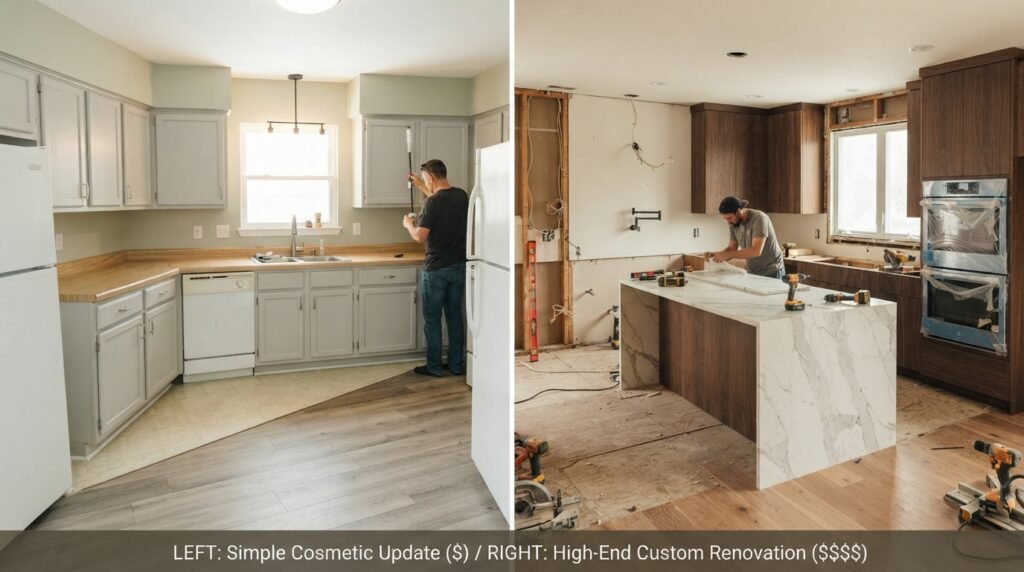
Table of Contents
A small kitchen can still become one of the most expensive rooms to remodel. The good news is that you do not need a huge budget for a useful update. Smart planning can help you control spending while improving the space. The first step is understanding what affects the small kitchen remodel cost. Cabinet choices, countertops, flooring, appliances, plumbing, electrical work, and labor can all change the final price. Your location also plays a major role. A simple cosmetic update may cost much less than a full kitchen renovation. Before buying materials, decide what you want to change. Then separate needs from wants. This approach can prevent overspending on features that do not improve daily life. A small kitchen can become more useful, brighter, and easier to work in without becoming a luxury project. This guide explains common costs, budgeting methods, ways to save money, and important questions to ask before starting.
What Is the Average Small Kitchen Remodel Cost?
The small kitchen remodel cost can vary widely because every project is different. A basic refresh may involve paint, hardware, lighting, and small repairs. A larger remodel may include new cabinets, counters, flooring, appliances, plumbing, and electrical work. For a small kitchen, many homeowners may spend several thousand dollars on a modest update. A more complete renovation can reach much higher amounts. Local labor prices also affect the final number. Material quality creates another major difference. Stock cabinets usually cost less than custom cabinets. Laminate counters can cost less than natural stone. Simple flooring can also reduce the budget. Before setting a target, decide what type of renovation you want. Cosmetic changes have different costs from structural changes. Get several local estimates before making a final decision. Online cost ranges can provide useful starting points, but actual contractor quotes are more reliable for your home.
What Factors Affect Kitchen Remodeling Costs?
Several factors can change your final renovation budget. The size of the kitchen matters, but it is not the only factor. Cabinet layout can affect labor and installation costs. Moving a sink or stove can increase plumbing or electrical expenses. Choosing premium appliances can quickly increase the total. Countertop material also has a major impact. Labor rates vary by location and contractor experience. Permits may be needed for certain structural, plumbing, or electrical changes. The condition of your existing kitchen matters too. Hidden water damage or outdated wiring can require additional repairs. The small kitchen remodel cost can also rise when homeowners change plans during construction. Each change may require new materials or additional labor. A clear project scope can help prevent these surprises. Ask contractors to explain what their estimates include. Compare complete estimates instead of comparing only the headline price.
Cosmetic Remodel vs. Full Kitchen Renovation
The type of remodel you choose can have a huge effect on cost. A cosmetic remodel focuses mainly on appearance and small improvements. You might repaint cabinets, replace handles, install new lights, and update the backsplash. These changes can make a kitchen feel fresh without major construction. A full renovation involves more extensive work. It may include replacing cabinets, countertops, flooring, appliances, plumbing, and electrical systems. Some homeowners also remove walls or change the kitchen layout. This type of work requires more planning and usually more labor. The small kitchen remodel cost becomes much higher when structural work begins. Consider whether your current layout already works well. If it does, keeping the existing layout can save significant money. You can then spend more on quality finishes or useful storage. A cosmetic update is often enough when the kitchen is structurally sound and only looks outdated.
Small Kitchen Cabinet Costs
Cabinets are often one of the largest parts of a kitchen remodeling budget. Small kitchens need fewer cabinets, but quality still affects the price. Stock cabinets are usually the most affordable option. Semi-custom cabinets offer more choices while remaining below many custom options. Custom cabinets can provide a perfect fit but often require a larger budget. Cabinet material, door style, hardware, and installation also affect the final cost. Refacing may be another option if your existing cabinet boxes are strong. During refacing, the visible surfaces are updated without replacing the entire cabinet structure. Painting cabinets can cost even less if the existing doors are in good condition. Before replacing everything, inspect the current cabinets carefully. If they are sturdy and functional, updating their appearance may provide better value. Good cabinet planning should also improve storage. Drawers, pull-out shelves, and corner solutions can make a small kitchen much easier to use.
Countertop Costs for a Small Kitchen
Countertops can range from budget-friendly to premium depending on the material. Laminate is often an affordable choice for homeowners who want a fresh appearance. Butcher block can provide warmth and a natural look. Quartz is popular because it offers a clean appearance and relatively easy maintenance. Granite remains another common option. Solid-surface materials provide additional design choices. The small kitchen remodel cost for countertops depends on material, thickness, edge style, installation, and sink cutouts. Small kitchens may need less material, but fabrication costs can still apply. Before choosing a countertop, think about how you use the kitchen. A busy cooking area may need a surface that handles frequent cleaning. Ask suppliers for complete quotes rather than material-only prices. Confirm whether delivery, measurement, cutting, installation, and sink preparation are included. A clear quote can prevent unexpected charges later.
Appliance Costs and Where to Save
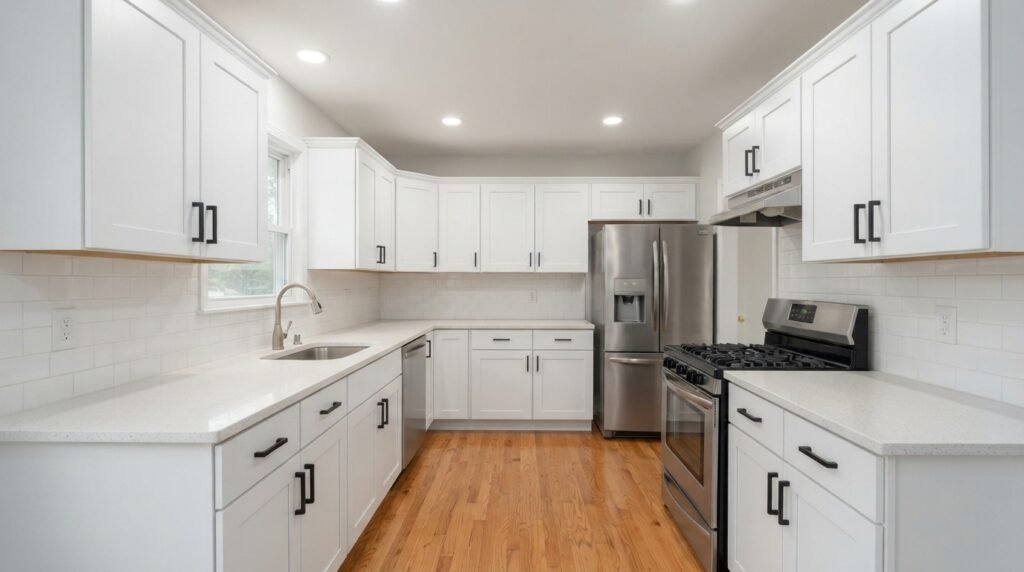
Appliances can consume a large part of a kitchen remodeling budget. A small kitchen may need a refrigerator, range, dishwasher, microwave, or other equipment. You do not necessarily need to replace every appliance. If existing appliances work well and still look acceptable, keeping them can save money. Replacing only one outdated appliance may be enough. When buying new appliances, compare energy use, size, features, warranty coverage, and installation requirements. Avoid choosing large appliances that make a small kitchen harder to use. Measure openings carefully before ordering. This is especially important when replacing built-in equipment. The small kitchen remodel cost can increase if new appliances require cabinet changes or electrical work. Simple models often cost less than feature-heavy versions. Think about which features you will actually use. A basic appliance that performs well may provide better value than a premium model with functions you rarely need.
Flooring Costs in a Small Kitchen
Flooring can change the appearance of a kitchen quickly. Small kitchens require less material, but installation costs still matter. Vinyl, laminate, tile, and other flooring options can fit different budgets. Some products are easier to install than others. The condition of the existing floor also affects the cost. If the subfloor needs repairs, your budget may increase. Moisture can create additional problems beneath old flooring. Before installing new material, check whether the existing surface is suitable. The small kitchen remodel cost can rise when old flooring must be removed and disposed of. Ask whether installation quotes include preparation and removal. Consider durability because kitchens receive regular foot traffic and spills. Choose flooring that fits your lifestyle and cleaning habits. A practical floor can be more valuable than an expensive one. Good installation also matters because poor preparation can cause problems later.
Labor Costs and Contractor Pricing
Labor is a major part of many kitchen renovation budgets. Contractors may charge by the project, hour, or specific task. Rates depend on location, experience, project complexity, and trade requirements. Plumbers, electricians, cabinet installers, flooring professionals, and general contractors may all become involved. The small kitchen remodel cost can rise when several trades are needed. Ask contractors to explain their labor charges clearly. Make sure the estimate identifies major tasks and materials. Request information about expected start and completion dates. Check whether cleanup and disposal are included. Ask about payment schedules before signing an agreement. Avoid choosing a contractor based only on the lowest price. A very low estimate may leave out important work. Check references and relevant experience when possible. Written agreements can reduce misunderstandings. Clear communication is especially important when the kitchen will remain partly usable during construction.
Why Keeping the Existing Layout Can Save Money
Changing the kitchen layout can create additional costs. Moving sinks requires new plumbing. Moving ranges may require electrical or gas changes. Relocating appliances can also affect cabinets and ventilation. Walls may need changes when the layout changes significantly. Keeping plumbing and electrical points in their current locations can reduce labor. The small kitchen remodel cost may therefore stay lower when you work within the existing footprint. This does not mean you must keep every feature unchanged. You can improve storage, lighting, finishes, and appliances without moving major systems. Before changing the layout, ask whether the current arrangement truly causes problems. If the workflow is already reasonable, a cosmetic and functional upgrade may be enough. Use the savings for features that improve daily life. Better drawers, lighting, counters, or storage can provide more value than moving a sink several feet.
Plumbing and Electrical Costs
Plumbing and electrical work can become important during a kitchen renovation. Old homes may have systems that need updates before new equipment is installed. Adding outlets may require electrical changes. Installing a dishwasher may require plumbing and electrical connections. New lighting can also involve wiring. Moving appliances can create additional work. The small kitchen remodel cost becomes harder to predict when existing systems are outdated. Ask a qualified professional to inspect systems before major construction. Do not attempt electrical or gas work without appropriate knowledge and authorization. Safety should always come before saving money. Some projects may require permits or inspections depending on local rules. Ask your contractor what requirements apply to your renovation. Proper installation protects your home and family. It can also prevent expensive repairs later. Budget for necessary system upgrades instead of treating them as optional extras.
Backsplash Costs and Budget Options
A backsplash can provide a strong visual change without covering a large area. Because small kitchens have less wall space, you may not need much material. Ceramic and porcelain tile can provide many design choices. Peel-and-stick products may work for some temporary or cosmetic applications. Glass, stone, and decorative tile can cost more. Installation adds another expense. The small kitchen remodel cost can stay lower if you choose a simple tile pattern. Complex patterns may require more cutting and labor. Consider the area behind the stove and sink carefully. These locations can experience more heat, moisture, and splashes. Choose materials suitable for those conditions. A backsplash can also help protect the wall from everyday cooking messes. If the budget is limited, focus on the most visible areas instead of covering every wall. A small amount of well-chosen material can still create a polished result.
Lighting Costs and Smart Upgrades
Good lighting can make a small kitchen feel larger and easier to use. You do not always need expensive fixtures. Start by checking whether your existing lighting provides enough coverage. Add task lighting where you prepare food. Under-cabinet lights can improve counter visibility. Ceiling fixtures can provide general illumination. Decorative pendants can add style when appropriate. The small kitchen remodel cost can increase with complex electrical changes. Plan lighting locations before installing cabinets or closing walls. Consider energy-efficient bulbs and fixtures to reduce long-term electricity use. Use suitable products for the area and follow installation instructions. A professional electrician should handle wiring when required. Lighting is one area where a modest investment can have a strong visual effect. A brighter workspace can also make cooking and cleaning more comfortable. Good lighting should support both safety and atmosphere.
How Much Should You Budget for a Small Kitchen?
There is no universal budget that fits every small kitchen. Start by defining the project scope. A simple refresh may require only a modest amount. A partial renovation will need more. A full renovation can require a significantly larger budget. The small kitchen remodel cost depends on your material choices and labor requirements. Create separate categories for cabinets, countertops, appliances, flooring, lighting, plumbing, electrical work, and labor. Add a contingency reserve for unexpected issues. A reserve of around ten to twenty percent is often considered useful for renovation planning. Older homes may justify a larger cushion. Get several local estimates before finalizing the budget. Keep quotes and product prices together in one document. Track actual spending during the project. This makes it easier to see where your money is going. A written budget gives you a stronger position when making decisions.
Ways to Lower Small Kitchen Remodeling Costs
There are many ways to reduce renovation costs without making the kitchen feel cheap. Keep the existing layout when possible. Refinish cabinets instead of replacing them. Choose standard cabinet sizes. Compare several countertop materials. Keep working appliances if they are still reliable. Update hardware instead of replacing every cabinet. Paint walls instead of installing expensive decorative finishes. Use affordable lighting with a clean design. Shop carefully for materials and compare complete installation prices. The small kitchen remodel cost can fall significantly when you focus on high-impact changes. Do not cut costs on safety-related work. Electrical, gas, plumbing, and structural repairs deserve qualified attention. Cheap materials may also cost more over time if they fail quickly. The best savings usually come from reducing unnecessary work. Spend money where it improves function, durability, and safety. Save money on features that are mostly decorative or easy to change later.
Should You DIY Part of the Remodel?
DIY work can reduce labor costs when you have suitable skills. Painting, simple decorating, and certain basic tasks may be manageable for experienced homeowners. However, not every project should become a DIY job. Electrical, gas, structural, and major plumbing work can create serious safety risks. The small kitchen remodel cost may seem lower when you remove labor charges. But mistakes can become expensive to repair. Be honest about your experience before taking on a task. Research local rules before doing work yourself. Some jobs may require permits or professional installation. If you decide to handle painting, prepare the surfaces carefully. Poor preparation can make even expensive paint look bad. DIY can be useful when applied to suitable tasks. It should not replace professional work when safety or technical expertise is required.
How to Handle Unexpected Remodeling Expenses
Unexpected costs are common in renovation projects. Hidden water damage can appear after cabinets are removed. Old wiring may need replacement. The floor beneath existing materials may be damaged. Walls can reveal problems that were not visible before construction. The small kitchen remodel cost can increase quickly when these issues appear. This is why an emergency budget is important. Do not spend every available dollar on visible finishes. Keep a reserve until the project is fully complete. Ask contractors about potential risks before work starts. If a surprise appears, decide whether it is urgent or can wait. Safety and structural problems usually deserve immediate attention. Cosmetic changes can often be delayed. Clear priorities help protect your budget. A calm response to unexpected problems is better than making rushed decisions. Good preparation does not remove surprises, but it makes them easier to handle.
How Long Does a Small Kitchen Remodel Take?
The timeline depends on the project type. A simple cosmetic refresh may take days or a few weeks. Replacing cabinets and countertops may take longer. A full renovation can require several weeks or more. The small kitchen remodel cost can also be affected by the project timeline. Longer projects may involve more labor and temporary living arrangements. Material availability can create delays. Custom cabinets often require more planning and production time. Plumbing, electrical, and structural changes can extend the schedule. Ask your contractor for a written timeline before work begins. Make sure it includes major stages. Do not plan important events around the earliest possible completion date. Allow some flexibility for unexpected problems. If the kitchen is your only cooking area, prepare a temporary food station. Planning ahead can make the renovation much easier to manage.
How to Choose a Kitchen Remodeling Contractor
Choosing the right contractor is one of the most important decisions. Look for professionals with relevant kitchen renovation experience. Ask for references and examples of completed work. Verify required licenses or insurance where applicable. Get written estimates from several contractors. Compare the scope of work instead of looking only at the total price. The small kitchen remodel cost can look lower when important tasks are excluded. Ask who will complete the work and whether subcontractors will be involved. Discuss materials, payment stages, deadlines, cleanup, and warranty details. Read the agreement carefully before signing. Avoid large upfront payments without clear justification. Good contractors should communicate clearly and answer reasonable questions. Trust your judgment if something feels unclear. A professional relationship based on written expectations can reduce stress during construction.
Small Kitchen Remodeling Mistakes to Avoid
Several mistakes can make a small kitchen remodel more expensive than necessary. One common problem is changing the layout without a strong reason. Another is ordering cabinets before checking exact measurements. Some homeowners choose appliances before confirming available space. Others forget to budget for installation and delivery. The small kitchen remodel cost can also increase when homeowners change materials midway through construction. Poor lighting planning can create another expensive correction. Storage is sometimes overlooked because homeowners focus heavily on appearance. Avoid filling a small kitchen with oversized appliances or furniture. Keep enough room for comfortable movement. Do not ignore ventilation or safety requirements. Most importantly, do not start demolition without a clear plan. A little preparation can prevent major problems. Review your choices before purchasing expensive materials. Once construction starts, changes usually become more costly.
How to Make a Small Kitchen Look More Expensive
A high-end appearance does not always require high-end materials. Clean lines and consistent finishes can create a polished look. Choose a simple color palette. Update cabinet hardware for an inexpensive visual change. Use attractive lighting in key areas. Keep counters organized and avoid excessive decoration. A well-installed backsplash can add personality. Matching finishes can create a more coordinated appearance. The small kitchen remodel cost can stay controlled when you focus on visual consistency. Choose one or two areas for a stronger design statement. For example, you might invest in a quality countertop while choosing affordable cabinet hardware. Good maintenance also makes a kitchen look better. Clean surfaces, repaired walls, and properly aligned doors create a finished appearance. A small kitchen often benefits from simplicity. Too many patterns or colors can make the room feel crowded.
How to Plan a Kitchen Remodeling Budget Step by Step
Start by writing down everything you want to change. Separate essential repairs from cosmetic upgrades. Measure the kitchen and record important dimensions. Decide whether the current layout will remain. Research approximate material prices. Contact several contractors for estimates. Create separate budget categories for materials, labor, permits, delivery, and disposal. Add a contingency reserve. Then rank each improvement by importance. The small kitchen remodel cost becomes easier to control when you know which features can be removed if necessary. Avoid committing your full budget too early. Keep some money available until the project is complete. Track actual spending as purchases are made. Review the budget weekly during construction. If costs rise, make changes to lower-priority items first. This approach gives you a practical way to protect essential improvements while controlling unnecessary spending.
FAQs
How much does a small kitchen remodel cost?
Costs vary widely based on location, materials, labor, and project size. A simple refresh costs much less than a full renovation.
What is the most expensive part of a kitchen remodel?
Cabinets, labor, appliances, and countertops are often major expenses.
Can I remodel a small kitchen on a budget?
Yes. Keep the existing layout, refinish cabinets, compare materials, and focus on high-impact upgrades.
Is it cheaper to reface or replace kitchen cabinets?
Refacing can cost less when existing cabinet boxes are strong and properly installed.
Should I replace working kitchen appliances?
Not always. Keeping reliable appliances can help reduce your renovation budget.
How much should I save for unexpected costs?
Consider keeping around 10–20% of your planned budget as a contingency reserve.
Conclusion
Understanding the small kitchen remodel cost is the first step toward making a smart renovation decision. Your final price will depend on the kitchen’s condition, your location, materials, labor, and project scope. A small space does not automatically mean a small budget, but it can provide opportunities for savings. Keeping the existing layout is often one of the strongest ways to control costs. You can also save by refinishing cabinets, choosing practical materials, keeping useful appliances, and focusing on important improvements. Always separate essential repairs from optional upgrades. Get detailed contractor estimates before construction begins. Keep an emergency reserve for unexpected problems. Most importantly, build your renovation around the way you actually use your kitchen. A successful remodel does not need to include the most expensive products. It needs to create a safe, useful, comfortable, and attractive space that works for your daily life.